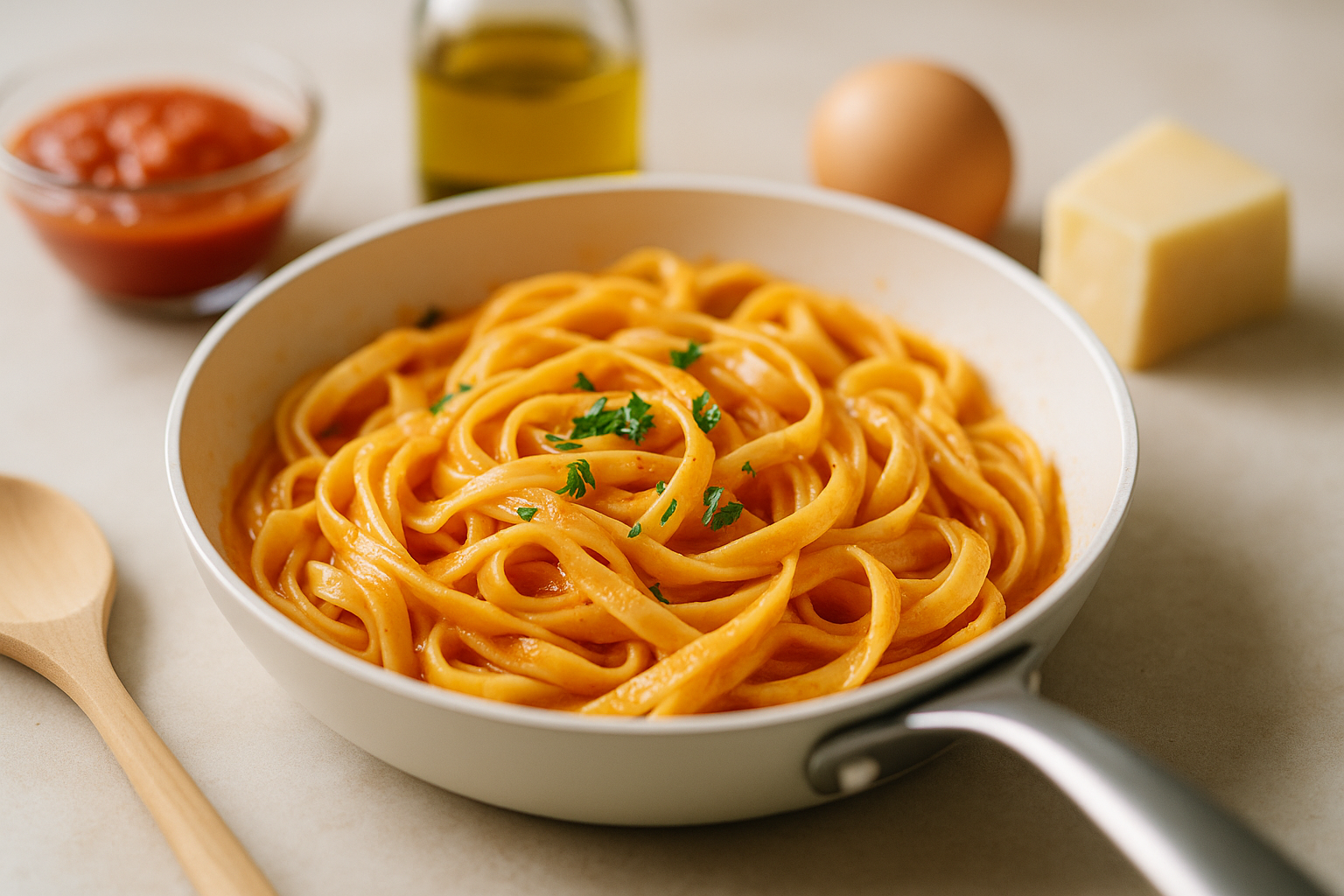
You stare into your refrigerator at 6 PM on a Tuesday, exhausted from work, and the thought of cooking something complicated makes you want to close the door and order pizza again. But what if dinner didn’t require a long ingredient list, advanced techniques, or an hour of prep work? The truth is, some of the most satisfying meals come together with just five ingredients or less, proving that simplicity and flavor aren’t mutually exclusive.
These recipes aren’t about sacrificing taste for convenience. They’re about working smarter, choosing ingredients that pack serious flavor, and understanding that a short ingredient list can actually lead to better results. When you’re not juggling ten different components, you can focus on getting each element right. Whether you’re a complete beginner or just someone who wants to spend less time cooking and more time eating, these five-ingredient recipes will transform how you approach weeknight meals.
Why Five Ingredients Works Better Than You Think
The magic of five-ingredient cooking lies in ingredient quality and smart combinations. When you’re working with fewer components, each one needs to pull its weight. A high-quality olive oil, a well-aged Parmesan, or a perfectly ripe tomato becomes essential rather than optional. This approach forces you to think about flavor in a more focused way.
Professional chefs often talk about letting ingredients shine, and that’s exactly what happens when you strip away the complexity. You start tasting the sweetness of caramelized onions, the brightness of fresh lemon, or the richness of good butter in ways that get lost when you’re adding a dozen different seasonings. Plus, shopping becomes infinitely easier when you’re not hunting down obscure ingredients you’ll use once and never touch again.
The time savings extend beyond cooking itself. Fewer ingredients mean faster prep, less cleanup, and simplified decision-making. You can keep these staples stocked and throw together a real meal on even your busiest days. For more time-saving strategies, check out our guide to quick weeknight dinners that complement this minimal-ingredient approach perfectly.
Garlic Butter Shrimp with Lemon
This restaurant-quality dish requires nothing more than shrimp, butter, garlic, lemon, and parsley. Start with one pound of large shrimp, peeled and deveined. Heat four tablespoons of butter in a large skillet over medium-high heat until it starts to foam. Add four cloves of minced garlic and cook for about 30 seconds until fragrant but not browned.
Toss in the shrimp and cook for two to three minutes per side until they turn pink and opaque. Squeeze the juice of one lemon over everything, add a handful of chopped fresh parsley, and you’re done. The whole process takes less than ten minutes, yet the combination of rich butter, aromatic garlic, and bright citrus creates layers of flavor that taste like you spent hours in the kitchen.
The key is not overcrowding the pan. If you pile too many shrimp in at once, they’ll steam instead of getting that slightly caramelized exterior that makes this dish special. Work in batches if necessary, keeping the first batch warm while you cook the second. Serve over rice, with crusty bread, or tossed with pasta for a complete meal.
Caprese Chicken Skillet
Italian cooking has always understood that great flavor comes from quality ingredients, not complicated techniques. This dish proves that point beautifully with just chicken breasts, tomatoes, mozzarella, basil, and balsamic vinegar. Season two chicken breasts with salt and pepper, then sear them in a hot skillet with a bit of olive oil until golden brown on both sides and cooked through.
Top each breast with sliced tomatoes and fresh mozzarella, cover the pan, and let it sit off the heat for two minutes until the cheese melts. Finish with torn fresh basil leaves and a drizzle of balsamic vinegar. The residual heat from the chicken and pan creates a simple sauce from the tomato juices and vinegar that’s absolutely perfect.
This recipe works year-round, but it truly shines in summer when tomatoes and basil are at their peak. The sweetness of ripe tomatoes combined with creamy mozzarella and the slight tang from balsamic creates a balanced dish that feels light yet satisfying. If you’re interested in exploring more Italian-inspired simplicity, these five-ingredient recipes offer additional inspiration for minimal-effort, maximum-flavor cooking.
One-Pan Sausage and Peppers
Sometimes the best meals are the ones that practically cook themselves. Italian sausages, bell peppers, onions, olive oil, and a splash of white wine create a hearty dinner that requires minimal attention. Slice three or four sausages into chunks and brown them in a large skillet or sheet pan. Remove them temporarily and add sliced bell peppers and onions to the same pan.
Let the vegetables cook in the sausage drippings for about five minutes until they start to soften and caramelize. Return the sausage to the pan, add half a cup of white wine (or chicken broth), and let everything simmer together for another ten minutes. The wine deglazes the pan, picking up all those flavorful browned bits, while the vegetables become tender and sweet.
The beauty of this dish is its versatility. Serve it over polenta, stuff it into hoagie rolls for sandwiches, or toss it with pasta. The cooking method concentrates all the flavors into one pan, and cleanup is as simple as the recipe itself. For those who appreciate minimal cleanup, our collection of one-pot wonders expands on this same philosophy of delicious food without the kitchen disaster.
Honey Mustard Pork Chops
Pork chops often get dismissed as boring, but this five-ingredient preparation proves otherwise. All you need are bone-in pork chops, Dijon mustard, honey, garlic, and fresh thyme. Mix three tablespoons of Dijon with two tablespoons of honey and two minced garlic cloves to create a glaze that’s both sweet and tangy.
Season your pork chops with salt and pepper, then sear them in a hot oven-safe skillet for three minutes per side. Brush the honey mustard mixture over the top, add a few sprigs of fresh thyme, and transfer the whole pan to a 400-degree oven for about eight minutes until the chops reach an internal temperature of 145 degrees.
The glaze caramelizes in the oven, creating a sticky, flavorful coating that keeps the meat incredibly juicy. Bone-in chops stay more tender than boneless, and the honey provides just enough sweetness to balance the sharpness of the mustard without making the dish taste dessert-like. Let the chops rest for five minutes before serving to ensure maximum juiciness.
Balsamic Roasted Vegetables
Not every five-ingredient recipe needs to be centered around protein. This vegetable dish works as a side or a main course, requiring only your choice of vegetables, balsamic vinegar, olive oil, garlic, and honey. Choose hearty vegetables like Brussels sprouts, carrots, or cauliflower that can handle high heat and develop deep caramelization.
Toss about two pounds of chopped vegetables with three tablespoons of olive oil, two tablespoons of balsamic vinegar, one tablespoon of honey, and three cloves of minced garlic. Spread everything on a sheet pan in a single layer and roast at 425 degrees for 25 to 30 minutes, stirring halfway through.
The high heat transforms the vegetables, creating crispy edges while the insides become tender and sweet. The balsamic and honey form a glaze that’s both tangy and slightly sweet, while the garlic adds aromatic depth. This technique works with almost any vegetable combination, making it endlessly adaptable to what’s in season or on sale. You’ll find more creative ideas in these new dinner recipes that embrace the same minimal-ingredient philosophy.
Parmesan Crusted Salmon
Fish often intimidates home cooks, but this preparation is nearly foolproof. Salmon fillets, Parmesan cheese, mayonnaise, lemon, and fresh dill create an elegant dinner that looks and tastes restaurant-quality. Mix half a cup of grated Parmesan with three tablespoons of mayonnaise, the zest of one lemon, and two tablespoons of chopped fresh dill.
Place salmon fillets on a lined baking sheet, season with salt and pepper, and spread the Parmesan mixture evenly over the top of each fillet. Bake at 400 degrees for 12 to 15 minutes, depending on thickness, until the salmon flakes easily with a fork and the topping turns golden brown.
The mayonnaise might seem like an odd choice, but it serves two purposes. It helps the cheese mixture adhere to the fish and keeps the salmon incredibly moist during cooking. The result is a crispy, flavorful crust on top with tender, flaky fish underneath. This recipe works equally well with other firm fish like cod or halibut if salmon isn’t your preference.
Smart Ingredient Choices Make All the Difference
When you’re cooking with just five ingredients, quality matters more than ever. That doesn’t mean you need to buy the most expensive version of everything, but it does mean being thoughtful about your choices. Fresh herbs will always taste better than dried in these simple preparations. Real Parmesan cheese grated from a block has completely different flavor than the pre-shredded stuff in a container.
Similarly, a good olive oil that you’d actually want to taste makes a noticeable difference when it’s one of only five components in your dish. You don’t need fancy finishing oils for everything, but investing in one decent bottle for recipes where the oil flavor shines through will elevate your cooking significantly.
The same principle applies to produce. When tomatoes are the star of your caprese chicken, using whatever sad, pale specimens are cheapest won’t deliver the flavor you’re hoping for. Wait for summer tomatoes, or use good-quality canned tomatoes in the off-season instead. Understanding when to splurge and when to save comes with practice, but the general rule is simple: if you can taste it prominently, make it count. For additional budget-conscious strategies that don’t sacrifice flavor, explore our budget-friendly dinner ideas that prove impressive meals don’t require expensive ingredients.
Building Your Five-Ingredient Pantry
Success with minimal-ingredient cooking starts with keeping the right staples on hand. A well-stocked pantry doesn’t need to be extensive, just strategic. Keep good olive oil, balsamic vinegar, honey, Dijon mustard, and soy sauce as your liquid flavor-builders. These ingredients add complexity and depth without requiring multiple bottles and jars.
For your refrigerator, fresh garlic, lemons, butter, and Parmesan cheese give you tremendous versatility across countless recipes. These ingredients store well and work in both savory and sweet applications. In your freezer, keep quality proteins that you can pull out as needed. Individually frozen chicken breasts, shrimp, and salmon fillets mean you’re always one thaw away from dinner.
Fresh herbs deserve special mention. While they technically count as one of your five ingredients, having parsley, basil, or thyme on hand transforms simple dishes into something special. If keeping fresh herbs alive feels challenging, many grocery stores now sell them in tubes that last for months in the refrigerator. They’re not quite as bright as fresh, but they’re infinitely better than dried for these minimal recipes.
The key is rotating through your staples so nothing sits unused for months. When you build meals around five ingredients, you’ll naturally use these items frequently, which means they’ll stay fresh and you’ll develop an intuitive sense of how to combine them. For more insights on maximizing your ingredients and minimizing waste, these family meal recipes demonstrate how simple components create satisfying dinners for everyone.
Making Five-Ingredient Recipes Your Own
Once you master the basic formulas, these recipes become templates rather than rigid instructions. The honey mustard pork chops work just as well with chicken thighs. The balsamic roasted vegetables adapt to whatever’s in your crisper drawer. Understanding the underlying principles of how flavors work together gives you the confidence to improvise.
Don’t be afraid to swap ingredients based on what you have or what looks good at the store. If a recipe calls for chicken but you have pork, the cooking method usually translates. If bell peppers are specified but zucchini is on sale, make the substitution. The goal isn’t to follow recipes with absolute precision but to develop judgment about how ingredients behave and combine.
This flexibility also means you can adjust these dishes to your dietary needs or preferences. Most of these recipes adapt easily to different eating styles. The roasted vegetables can be vegan, the proteins can be swapped for plant-based alternatives, and the cooking methods remain the same. Five-ingredient cooking is about simplicity and flavor, not restriction.
Start with these seven recipes exactly as written to understand how they work, then begin experimenting. Change one ingredient at a time so you can taste how that substitution affects the final dish. Keep notes on what you tried and what worked. Within a few weeks, you’ll have developed your own collection of go-to meals that require minimal effort but deliver maximum satisfaction every single time.

Leave a Reply