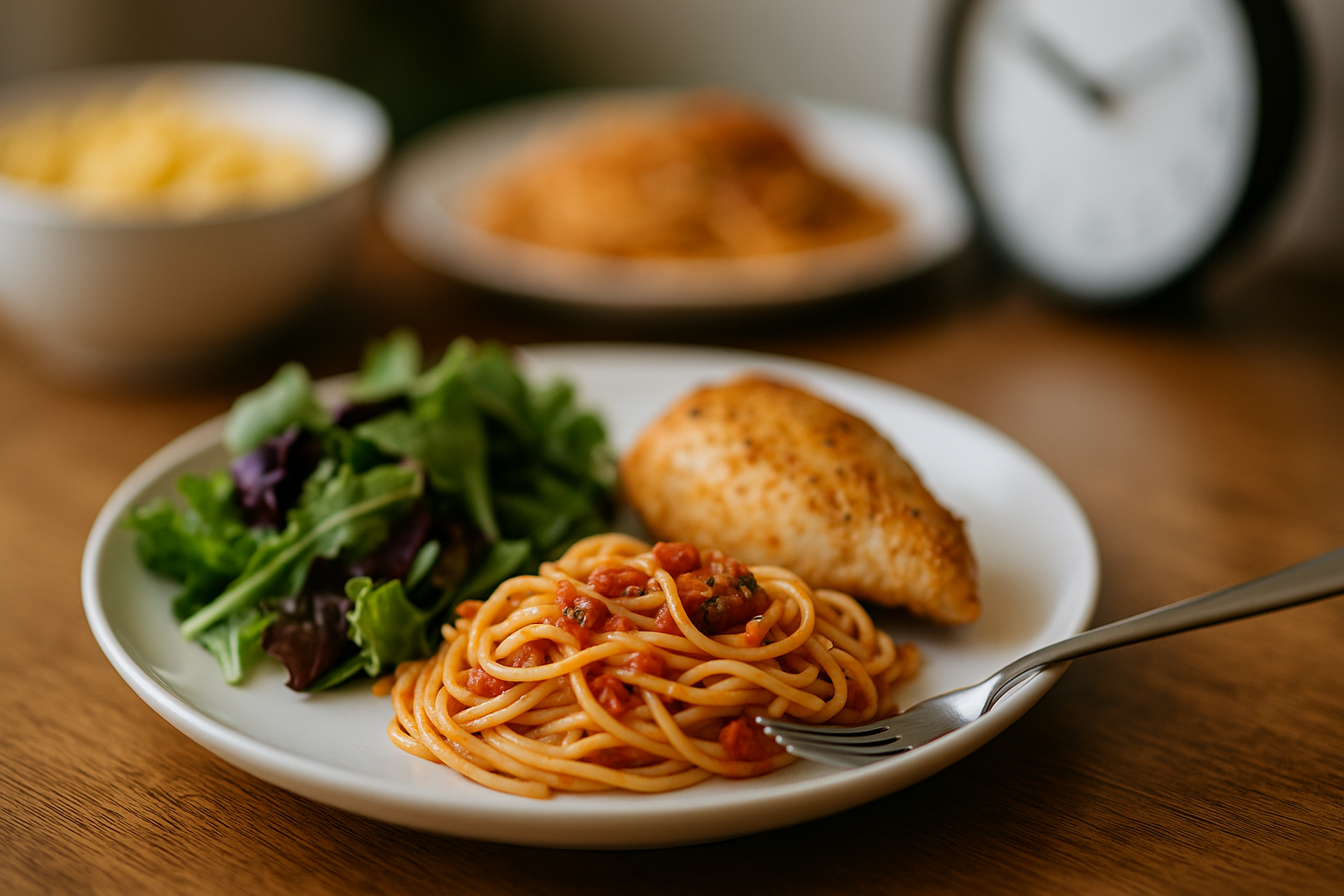
It’s 6:30 PM on a Wednesday. The kids are melting down, everyone’s hungry, and you’re staring into the fridge like it holds the secrets of the universe. Sound familiar? The weeknight dinner struggle is real, and it hits hardest when you’re juggling work deadlines, school pickups, homework help, and trying to get something reasonably nutritious on the table before everyone revolts.
Here’s the good news: feeding your family well on busy weeknights doesn’t require Martha Stewart-level skills or hours of prep time. With a handful of smart strategies and go-to recipes that actually work in the real world, you can transform those chaotic dinner hours from stressful to manageable. This isn’t about perfection or Pinterest-worthy presentations. It’s about getting food on the table that everyone will eat without losing your mind in the process.
The Real Problem with Weeknight Cooking (And How to Fix It)
Most advice about weeknight meals misses the mark because it assumes you have time, energy, and a fully stocked pantry. The reality? You’re working with limited bandwidth and whatever’s actually in your kitchen right now. The solution isn’t finding fancier recipes or more elaborate meal plans. It’s about building a simple system that works even on your worst days.
Start by identifying your biggest obstacle. Is it lack of time? Limited cooking skills? Picky eaters who reject anything green? Maybe it’s decision fatigue from trying to figure out what to make every single night. Once you know your specific challenge, you can focus your energy on solutions that actually address it instead of following generic advice that doesn’t fit your life.
The most effective approach involves three core elements: a rotation of reliable recipes, strategic shortcuts that don’t sacrifice quality, and realistic expectations about what “homemade” needs to look like. You don’t need 30 different dinner ideas. You need seven to ten solid meals that come together quickly and work for your family’s preferences and dietary needs.
Building Your Weeknight Recipe Arsenal
Think of your go-to weeknight meals like a greatest hits playlist. You want variety, but not so much that you’re constantly learning new recipes when you’re already exhausted. The sweet spot is having enough options to avoid boredom while keeping things familiar enough that you can cook on autopilot.
Start with what already works. Which meals does your family eat without complaint? What dishes can you make without constantly checking a recipe? Write these down because they’re your foundation. Then identify the gaps. If you realize you only have pasta-based meals, you’ll want to add some protein-focused dishes or one-pot options that minimize cleanup to round things out.
According to cooking experts who specialize in family meals, the best weeknight recipes share common characteristics: they use readily available ingredients, come together in 45 minutes or less, scale easily for different family sizes, and hold up well if dinner gets delayed. Sheet pan dinners, stir-fries, and slow cooker meals often fit these criteria perfectly.
The Power of Flexible Templates
Instead of thinking in terms of rigid recipes, consider flexible templates you can adapt based on what’s available. A basic stir-fry template works with chicken, beef, shrimp, or tofu. You can swap vegetables depending on what’s in season or on sale. The sauce might vary, but the technique stays the same. This approach dramatically reduces mental load because you’re working with familiar patterns rather than starting from scratch each time.
The same principle applies to sheet pan dinners, grain bowls, tacos, and pasta dishes. Once you understand the basic framework, you can improvise based on preferences, dietary restrictions, or whatever needs using up in your refrigerator. This flexibility means you’re never truly stuck, even when you haven’t grocery shopped in a week.
Strategic Shortcuts That Actually Make Sense
Let’s talk about shortcuts without the guilt trip. Using rotisserie chicken isn’t cheating. Neither is buying pre-cut vegetables, jarred sauce, or frozen meatballs. The goal is feeding your family, not proving you can do everything from scratch while also working full-time and managing a household.
The key is knowing which shortcuts deliver the best return on investment. Pre-washed salad greens? Absolutely worth it. Pre-shredded cheese? Convenient and totally fine. Pre-seasoned meat from the grocery store deli? Can be a lifesaver. The shortcuts that matter most are the ones that eliminate your specific pain points without significantly compromising taste or nutrition.
That said, some convenience products aren’t worth the premium. Pre-made rice costs three times more than making your own, and a rice cooker makes the process hands-off. Pre-cut onions lose flavor quickly and cost exponentially more than whole ones that take two minutes to chop. Spend your convenience dollars where they create the most value for your specific situation.
Batch Cooking the Smart Way
Full weekend meal prep might work for some people, but if you find it overwhelming or unrealistic, try micro-batching instead. When you’re making taco meat, double the batch and freeze half. Cooking rice for tonight? Make extra for fried rice later in the week. Chopping vegetables for one recipe? Cut extra for tomorrow’s stir-fry.
This approach, which overlaps with effective meal prep strategies, integrates prep work into your regular cooking routine rather than requiring dedicated marathon sessions. You’re building momentum gradually, creating components you can mix and match throughout the week without feeling like you spent your entire Sunday in the kitchen.
Making Peace with Repetition and Leftovers
Here’s something nobody wants to admit: your family can handle eating the same rotation of meals more often than you think. The pressure to provide constant variety is self-imposed and exhausting. Most kids actually prefer familiar foods, and adults benefit from the reduced decision-making burden.
Instead of cooking seven completely different dinners each week, aim for four or five. Plan for leftovers strategically. Monday’s roasted chicken becomes Wednesday’s chicken quesadillas or soup. Tuesday’s taco filling transforms into Thursday’s nachos or taco salad. This isn’t boring meal planning – it’s smart resource management that reduces waste and workload simultaneously.
The mental shift from “I need to cook something different every night” to “I need to feed my family well most nights” is surprisingly liberating. Some nights, breakfast for dinner is perfectly acceptable. Other nights, a high-quality frozen pizza with a bagged salad counts as success. Progress, not perfection, is the goal.
Dealing with Picky Eaters Without Losing Your Mind
Picky eaters can derail even the best-planned weeknight meals. The constant negotiations, rejected plates, and separate meal preparation multiply your workload exponentially. While there’s no magic solution that works for every family, several strategies can reduce the friction.
The “deconstructed meal” approach works remarkably well for many families. Instead of serving a fully assembled casserole or mixed dish, put components in separate bowls and let people build their own plates. Taco bars, pasta stations with multiple sauce options, and DIY grain bowls give kids autonomy while ensuring everyone gets fed without you making separate meals.
Research featured in comprehensive guides to quick family dinners suggests that involving kids in meal planning and preparation increases their willingness to try new foods. Even young children can tear lettuce, stir ingredients, or choose between two vegetable options. This investment of time upfront often pays off in reduced battles at the dinner table.
The Bridge Food Strategy
Keep a short list of “bridge foods” that you know every family member will eat. These aren’t the meals you’re serving, but reliable side dishes that ensure nobody goes hungry while they’re learning to accept new foods. Raw vegetables with ranch dressing, plain pasta, fresh fruit, or whole grain bread can fill gaps without requiring you to make entirely separate meals.
This approach removes the power struggle from dinner. You’re not forcing anyone to eat specific foods, but you’re also not short-order cooking. The main meal is what it is, and anyone who opts out has acceptable alternatives available. Over time, exposure to the family meal often leads to trying new things without pressure.
The Weeknight Meal Planning Framework That Actually Works
Meal planning doesn’t need to be complicated. The simplest effective system involves choosing your week’s meals, checking what you have, shopping for what you need, and doing minimal prep work. That’s it. Fancy apps and elaborate spreadsheets are optional, and for many people, they create more friction than they solve.
Pick a consistent day and time for planning – Sunday afternoon, Friday morning, whenever works for your schedule. Look at your calendar first. Soccer practice until 7 PM on Tuesday? That’s a slow cooker or pre-made meal night. Working from home on Thursday? You can handle something slightly more involved. Match meal complexity to available time and energy.
Resources like comprehensive collections of tested family dinner recipes can provide inspiration when you’re drawing a blank, but resist the urge to try multiple new recipes in one week. One new meal plus your reliable rotation is plenty. Save the adventurous cooking for weekends when you have more bandwidth.
The Flexible Framework Approach
Instead of assigning specific recipes to specific days, try assigning categories: Monday is pasta night, Tuesday is tacos or Mexican-inspired, Wednesday is sheet pan dinner, Thursday is soup or slow cooker meal, Friday is pizza or takeout. This structure provides guidance without being rigid. If you need to swap Tuesday and Wednesday because you forgot to defrost chicken, the framework still works.
Keep your master list of go-to recipes organized by category. When it’s time to plan meals, you’re choosing from a curated list of proven winners rather than scrolling endlessly through Pinterest or cookbooks. This dramatically speeds up the planning process and reduces decision fatigue.
Setting Yourself Up for Success
The difference between weeknight cooking that flows smoothly and cooking that feels like chaos often comes down to preparation and realistic expectations. A well-stocked pantry eliminates last-minute grocery runs. Basic knife skills save time and frustration. Understanding that some nights will go perfectly while others involve scrambling for plan B removes the pressure to be perfect.
Invest time in identifying your true constraints and building systems around them. If mornings are calmer than evenings, do your vegetable chopping before work. If you hate deciding what to cook, batch your planning and decision-making into one weekly session. If cleanup overwhelms you, prioritize one-pot meals and sheet pan dinners that minimize dishes.
Remember that feeding your family well doesn’t require elaborate meals or extensive time in the kitchen. It requires consistency, a handful of reliable recipes, strategic use of shortcuts, and the willingness to adjust your expectations based on reality. Some weeks you’ll nail it. Other weeks you’ll rely more heavily on simple meals and convenience items. Both scenarios count as success because everyone got fed, and you maintained your sanity in the process. That’s what truly matters when you’re managing busy weeknights with real constraints and real humans who need to eat dinner.

Leave a Reply