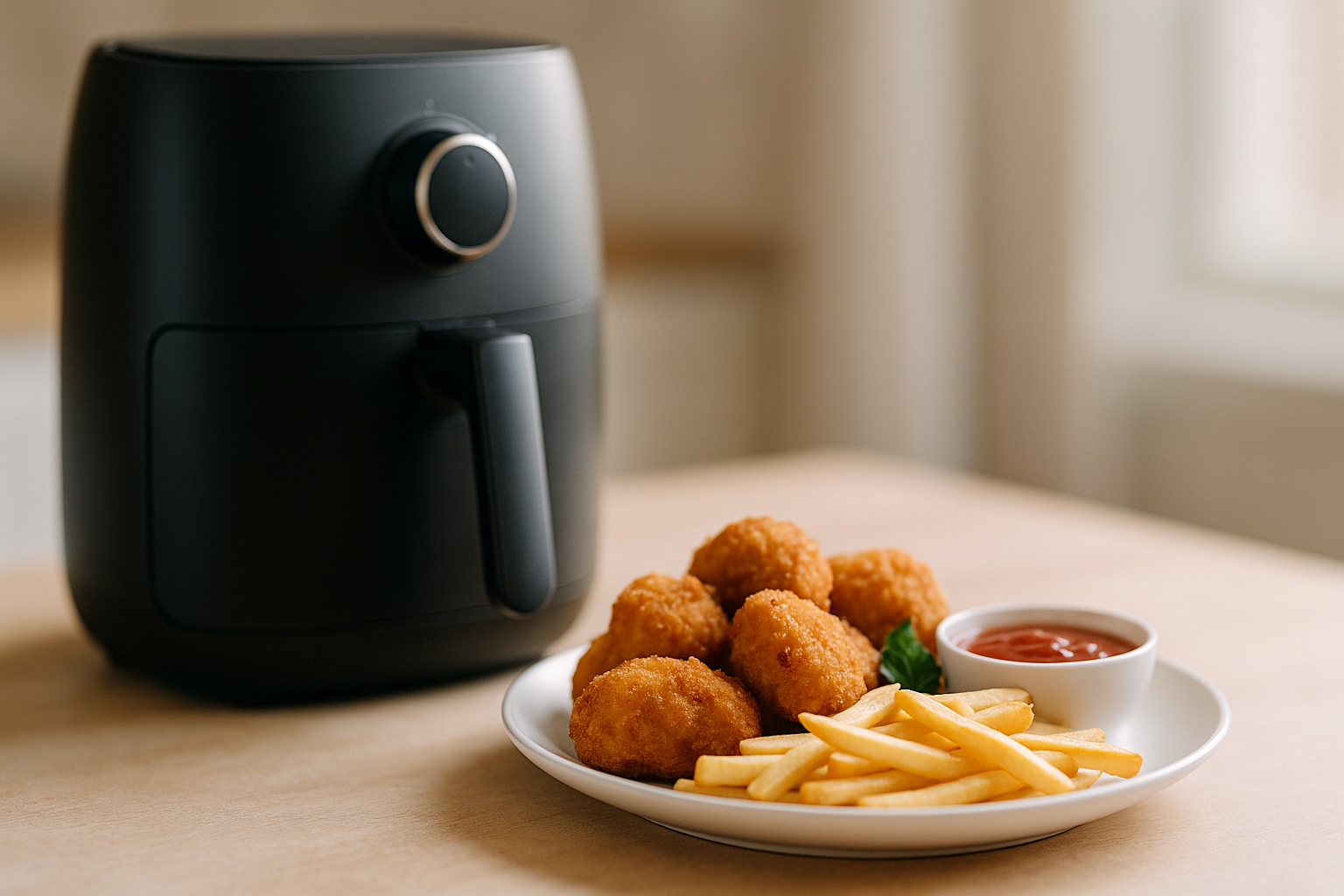
Your air fryer sits on the counter, looking sleek and promising. You bought it with visions of crispy french fries and healthier fried chicken, but three months later, it’s collecting dust while you stick to the same old oven-roasted vegetables. The truth is, most people dramatically underuse their air fryers, treating them like a one-trick appliance when they’re actually capable of preparing everything from breakfast to dessert with less oil, faster cooking times, and incredible results.
This comprehensive guide will transform how you think about your air fryer. Whether you’re a complete beginner or someone who’s been air frying for years, you’ll discover techniques, recipes, and insider tips that unlock the full potential of this versatile kitchen tool. From understanding the science behind air frying to mastering advanced recipes, we’re covering everything you need to become an air fryer expert.
Understanding How Air Fryers Actually Work
Air fryers aren’t actually fryers at all. They’re essentially powerful convection ovens that circulate superheated air around food at high speeds, creating that coveted crispy exterior without submerging anything in oil. The rapid air technology cooks food quickly and evenly, while the compact chamber design concentrates heat more efficiently than a traditional oven.
The secret lies in the Maillard reaction, the chemical process that creates browning and complex flavors when proteins and sugars are exposed to heat. Air fryers excel at triggering this reaction on the food’s surface while keeping the interior moist. That’s why a properly air-fried chicken wing achieves that satisfying crunch without drying out the meat inside.
Understanding this mechanism helps you make better cooking decisions. Since air fryers work through rapid air circulation, overcrowding the basket prevents proper airflow and leads to uneven cooking. Similarly, a light coating of oil, even just a spritz, enhances browning and crispiness because fat conducts heat more efficiently than air alone.
Essential Air Fryer Techniques Every Cook Should Master
Before diving into specific recipes, you need to understand the fundamental techniques that separate mediocre air fryer results from restaurant-quality dishes. These methods apply across virtually every recipe you’ll attempt.
The Preheating Debate
Most air fryer manuals suggest preheating isn’t necessary, but experienced users know better. Preheating your air fryer for 3-5 minutes before adding food creates an immediate sear, locking in moisture and jumpstarting the crisping process. This matters especially for proteins like steak or chicken thighs, where you want a quick exterior crust to form before the inside overcooks.
The exception? Delicate items like fish fillets or foods with wet batters benefit from starting in a cold basket, allowing the exterior to set gradually rather than potentially sticking to a screaming-hot surface.
Mastering Temperature and Timing
Air fryers cook approximately 25% faster than conventional ovens and typically require temperatures 25 degrees Fahrenheit lower. If a recipe calls for baking at 400°F for 20 minutes, start with 375°F for 15 minutes in your air fryer, then adjust as needed. This prevents the common mistake of following traditional recipes blindly and ending up with charred exteriors and raw centers.
Invest in an instant-read thermometer if you haven’t already. Air fryers can have hot spots, and visual cues don’t always tell the full story. Chicken should reach 165°F, pork 145°F, and beef varies based on your preferred doneness. For those looking to expand their cooking knowledge beyond the air fryer, our guide on secrets to perfect searing, roasting, and grilling offers complementary techniques that translate well across cooking methods.
The Shake and Flip Method
Set a timer to shake or flip food halfway through cooking. This simple habit ensures even browning and prevents one side from burning while the other remains pale. For smaller items like brussels sprouts or potato chunks, give the basket a vigorous shake. For larger pieces like chicken breasts or salmon fillets, use tongs to flip them carefully. This attention to detail makes the difference between amateur and professional results.
Breakfast Recipes That Transform Your Morning Routine
The air fryer shines at breakfast, delivering crispy, hot food faster than your oven preheats. These morning recipes will change how you think about breakfast preparation.
Perfectly Crispy Bacon in 8 Minutes
Lay bacon strips in a single layer in your air fryer basket. Cook at 350°F for 8-10 minutes, depending on thickness and desired crispiness. No flipping required. The grease drips away from the bacon, resulting in strips that are evenly crispy without sitting in their own fat. Pour out the accumulated grease halfway through if you’re cooking a large batch.
Hash Browns That Rival Your Favorite Diner
Frozen hash browns become golden and crispy in the air fryer without the oil-soaked mess of pan-frying. Spread them in an even layer, spray lightly with cooking oil, and cook at 380°F for 12-15 minutes, shaking the basket every 5 minutes. The result rivals anything you’d get at a restaurant, with a fraction of the calories and cleanup.
Cloud-Like Air Fryer Frittatas
Whisk eggs with your favorite add-ins – cheese, vegetables, cooked sausage – and pour into a small, oven-safe dish that fits your air fryer. Cook at 320°F for 12-15 minutes until the center is just set. The gentle, circulating heat cooks the frittata evenly without the bottom burning, a common problem with stovetop versions. This technique works beautifully for meal prep, as these frittatas reheat perfectly throughout the week.
For those juggling busy schedules, combining air fryer breakfast recipes with strategies from our guide to meal prep for busy professionals creates an efficient system for starting your day right without morning chaos.
Lunch and Dinner Masterpieces
This is where air fryers truly shine, turning out main dishes that convince people you spent hours in the kitchen when you actually spent minutes on preparation.
The Ultimate Air Fryer Chicken Wings
Pat wings completely dry – this is non-negotiable for crispy skin. Toss with a tiny amount of baking powder (not baking soda), which raises the pH of the skin and enhances crispiness. Season generously with salt, pepper, and your preferred spices. Cook at 380°F for 25 minutes, flipping halfway through, then increase temperature to 400°F for the final 5 minutes to achieve that signature crackly exterior.
The baking powder trick creates wings with shatteringly crisp skin that stays crunchy even after tossing in sauce. Once cooked, immediately toss in buffalo sauce, barbecue sauce, or any glaze while they’re hot so the coating adheres properly. According to expert air fryer recipes, this method produces results comparable to deep-frying with significantly less oil.
Salmon with Crispy Skin
Place salmon skin-side down in the air fryer basket. Brush the top with a thin layer of oil or melted butter, then season with salt, pepper, and lemon zest. Cook at 390°F for 7-9 minutes depending on thickness. The salmon cooks through gently while the skin becomes incredibly crispy, solving the age-old problem of soggy-skinned fish.
For added flavor, create a quick glaze with maple syrup, Dijon mustard, and garlic during the last 2 minutes of cooking. The concentrated heat caramelizes the glaze without making it burn, creating a restaurant-quality finish.
Steak That Rivals Your Grill
Bring steak to room temperature and pat completely dry. Season aggressively with salt and pepper – more than feels comfortable. Preheat your air fryer to 400°F, then cook the steak for 10-14 minutes for medium-rare, flipping halfway through. The exact timing depends on thickness, which is why that instant-read thermometer matters. Let it rest for 5 minutes before slicing.
The air fryer creates an impressive crust through the Maillard reaction while the interior cooks evenly. Finish with compound butter – softened butter mixed with herbs, garlic, or blue cheese – placed on top during the resting period for steakhouse-quality results.
Vegetable Dishes That Convert Skeptics
Brussels sprouts, cauliflower, and broccoli transform in the air fryer. Cut them into similar-sized pieces, toss with a small amount of oil, salt, and your preferred seasonings. Cook at 375°F for 12-15 minutes, shaking every 5 minutes. The high heat caramelizes their natural sugars while creating crispy, browned edges that make vegetables irresistible even to people who claim they don’t like them.
Try tossing roasted cauliflower with tahini and pomegranate seeds, or finish brussels sprouts with balsamic glaze and toasted pecans. These simple additions elevate vegetables from side dish to centerpiece. If you’re looking for more quick cooking ideas, our collection of quick weeknight dinners includes complementary recipes that pair beautifully with air-fried vegetables.
Mastering Air Fryer Desserts and Baked Goods
Most people never consider using their air fryer for desserts, which means they’re missing out on some of its most impressive capabilities. The concentrated heat and compact space create ideal conditions for certain baked goods.
Individual Molten Lava Cakes
Prepare your favorite chocolate lava cake batter and pour into greased ramekins, filling them about two-thirds full. Place ramekins in the air fryer basket and cook at 370°F for 8-10 minutes. The exterior sets into cake while the center remains gloriously molten. The air fryer’s efficiency means you can make dessert for two without heating your entire oven, perfect for weeknight indulgence.
Cinnamon Sugar Donut Holes
Use refrigerated biscuit dough cut into quarters. Brush each piece lightly with melted butter and air fry at 350°F for 5-6 minutes until golden brown. Immediately roll in cinnamon sugar while still warm. These taste remarkably similar to fried donuts but require a fraction of the oil and none of the messy cleanup.
Perfectly Baked Cookies
Yes, you can bake cookies in an air fryer, though you’ll need to work in small batches. Place 4-6 cookie dough portions in the basket, leaving space between them. Bake at 320°F for 8-10 minutes. The lower temperature prevents burning while still creating those crispy edges and chewy centers. This works particularly well when you want just a few fresh cookies without heating a full oven. For those passionate about perfecting their baking, our guide to baking perfect chocolate chip cookies offers detailed techniques that apply across baking methods.
Fruit Crisps in Individual Portions
Layer sliced apples, peaches, or berries in small oven-safe dishes. Top with a mixture of oats, brown sugar, butter, and cinnamon. Air fry at 350°F for 12-15 minutes until the fruit bubbles and the topping turns golden. The concentrated heat intensifies the fruit flavors while creating a perfectly crispy topping, and individual portions mean everyone gets an ideal ratio of fruit to crisp.
Advanced Tips for Air Fryer Success
Once you’ve mastered the basics, these advanced techniques will elevate your air fryer game to new heights.
Using Parchment Paper Correctly
Perforated parchment paper designed for air fryers prevents sticking and makes cleanup easier, but never preheat your air fryer with parchment inside. The circulating air can blow lightweight parchment into the heating element. Only add parchment when you add food, which weighs it down safely.
The Water Trick for Reducing Smoke
When cooking fatty foods like bacon or chicken thighs, place a slice of bread or pour a small amount of water in the bottom drawer beneath the basket. This absorbs dripping grease before it smokes, keeping your kitchen clear without affecting the food’s crispiness.
Reheating Leftovers Like a Professional
The air fryer excels at reheating food, often making leftovers taste better than they did originally. Pizza becomes crispy again at 350°F for 3-4 minutes. Fried chicken regains its crunch at 375°F for 5-6 minutes. Chinese takeout tastes fresh at 370°F for 4-5 minutes. The key is using lower temperatures and shorter times than initial cooking to warm through without drying out.
This reheating capability pairs perfectly with strategies from our guide to reinventing leftovers, creating endless possibilities for transforming yesterday’s dinner into today’s delicious meal.
Achieving Restaurant-Quality Texture
Professional chefs use a technique called dry-brining for meat and poultry. Salt your protein and leave it uncovered in the refrigerator for several hours or overnight. The salt draws out moisture, which then gets reabsorbed along with the salt, seasoning the meat throughout while drying the surface. That dry surface creates maximum crispiness in the air fryer. As noted in beginner-friendly air fryer guides, this technique works exceptionally well for chicken, pork chops, and even turkey.
Creating Homemade “Fried” Foods
Set up a breading station with three shallow dishes: flour, beaten eggs, and breadcrumbs or panko. Coat your food (chicken tenders, fish, mozzarella sticks, vegetables) by dredging in flour, dipping in egg, then coating thoroughly with breadcrumbs. Spray the breaded items lightly with oil before air frying. This classic breading technique, combined with the air fryer’s concentrated heat, creates convincingly “fried” textures with minimal oil.
Common Air Fryer Mistakes and How to Avoid Them
Even experienced cooks make these errors when starting with air fryers. Learning to recognize and avoid them fast-tracks your success.
Overcrowding the Basket
This is the single most common mistake. When food pieces touch, they steam rather than crisp. Always arrange food in a single layer with space between pieces, even if it means cooking in batches. That extra five minutes of cooking time is worth it for dramatically better results.
Skipping the Oil Entirely
While air fryers use less oil than traditional frying, some oil is usually necessary. A light spray or brush of oil helps food brown and prevents sticking. Without it, foods often turn out dry and pale rather than golden and crispy. The difference between zero oil and a light mist is dramatic, while the calorie difference is negligible.
Not Adjusting for Food Thickness
A thin chicken cutlet and a thick chicken breast cannot cook at the same temperature for the same time. Thicker items need lower temperatures and longer cooking times to ensure the interior cooks through before the exterior burns. Conversely, thin items need higher heat for shorter periods to crisp up before drying out. According to expert air fryer tips, adjusting for thickness is crucial for consistent results.
Neglecting to Clean the Air Fryer
Built-up grease and food particles affect air circulation and can create off-flavors in subsequent dishes. Wash the basket and drawer after every use with hot, soapy water. Wipe down the interior chamber weekly. Many baskets are dishwasher safe, making cleanup even easier. A clean air fryer performs better and lasts longer.
Using Non-Stick Spray Directly on the Basket
Most non-stick cooking sprays contain lecithin, which builds up on non-stick surfaces and becomes nearly impossible to remove, eventually degrading the coating. Instead, spray or brush oil directly onto your food, or use a refillable oil mister filled with your preferred cooking oil. This protects your air fryer’s non-stick surface while achieving the same anti-stick benefits.
Building Your Air Fryer Recipe Collection
Now that you understand the techniques and principles, you can adapt virtually any recipe to the air fryer. Start with these categories to build a versatile repertoire that covers all your cooking needs.
Focus first on recipes you already love making in the oven or on the stovetop. Convert your favorite roasted vegetable medley by reducing the temperature by 25 degrees and cutting the cooking time by about a quarter. Adapt your go-to chicken recipe by accounting for the air fryer’s efficiency. This approach builds confidence while expanding your air fryer skills.
Next, explore recipes specifically designed for air fryers that take advantage of its unique capabilities. Things like achieving crispy tofu without deep-frying, making perfect hard-boiled eggs in 15 minutes, or creating restaurant-quality fries with just a tablespoon of oil showcase what air fryers do best.
Finally, experiment with unexpected applications. Use your air fryer to toast nuts, dry herbs, warm tortillas, or even dehydrate fruit slices. The more you use it, the more applications you’ll discover, eventually making your air fryer one of your most-used kitchen tools rather than another countertop dust collector.
Your air fryer’s potential extends far beyond reheating frozen foods. With these techniques, recipes, and tips, you’re equipped to use this versatile appliance to its fullest capacity. Start with the basics, master the fundamental techniques, then experiment with confidence. The combination of speed, efficiency, and impressive results makes the air fryer an invaluable tool for anyone who wants to prepare delicious food without spending hours in the kitchen. Whether you’re cooking for one or feeding a family, these strategies transform your air fryer from a novelty into an essential kitchen workhorse that earns its counter space every single day.

Leave a Reply