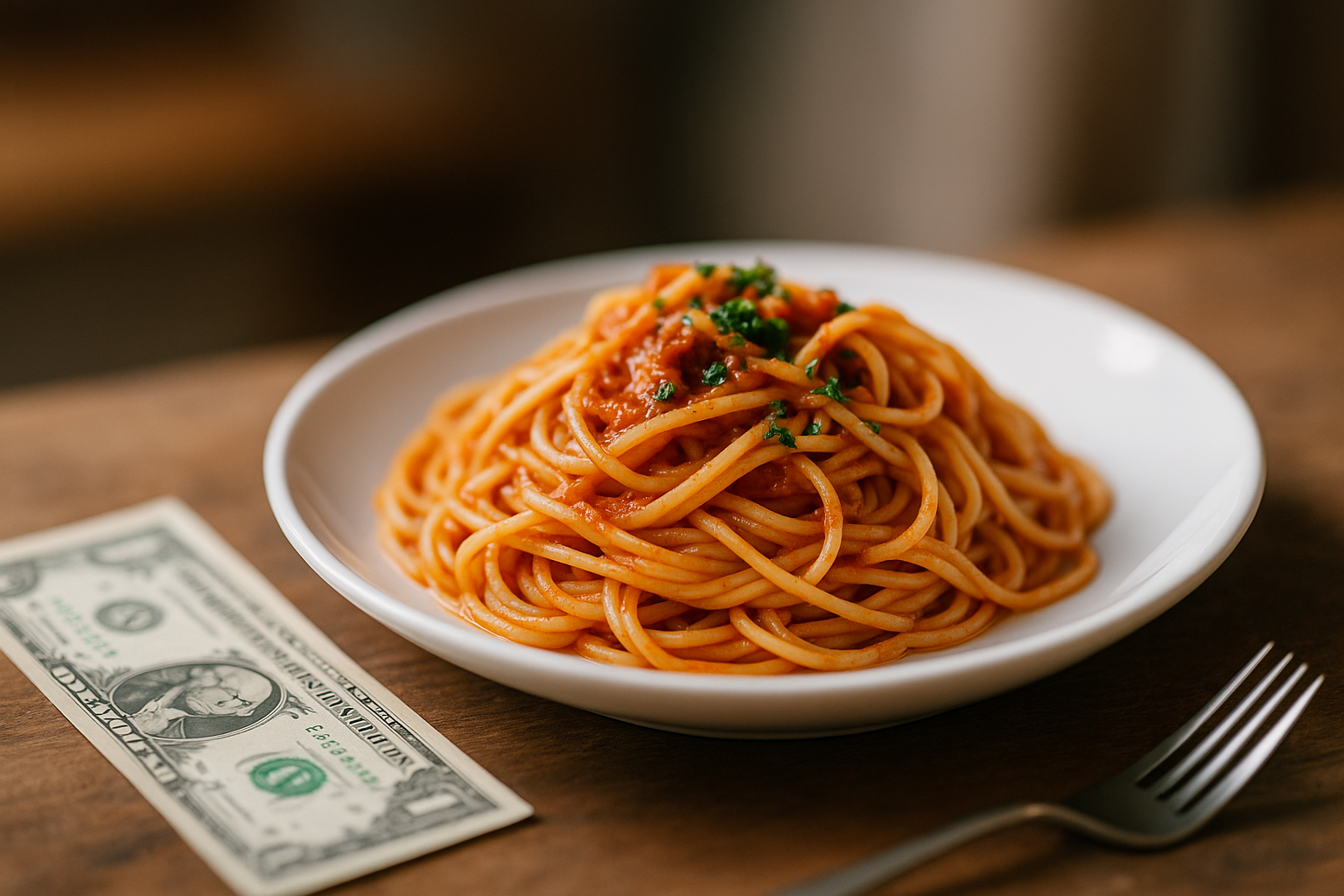
Your grocery budget is screaming for mercy, but you refuse to settle for bland, boring meals. The good news? Creating delicious, satisfying dinners on a tight budget isn’t about sacrifice – it’s about strategy. With the right ingredients and techniques, you can serve up restaurant-quality flavors without the restaurant prices.
The secret to budget-friendly cooking that still tastes amazing lies in understanding which ingredients deliver maximum flavor for minimum cost, and how to use simple techniques that transform inexpensive staples into crave-worthy meals. Whether you’re feeding a family, cooking for one, or just trying to spend less without eating like a college student, these strategies will revolutionize how you think about affordable cooking.
Why Budget Meals Often Fall Flat (And How to Fix It)
Most people approach budget cooking all wrong. They focus solely on buying the cheapest ingredients possible, then wonder why dinner tastes like cardboard. The real problem isn’t the price tag – it’s the lack of flavor-building techniques.
Inexpensive ingredients like beans, rice, pasta, and chicken thighs can taste incredible when you know how to layer flavors properly. The difference between a bland pot of beans and a spectacular bean dish isn’t expensive ingredients – it’s understanding how salt, acid, aromatics, and fat work together. A $15 steak cooked poorly will taste worse than a $3 chicken thigh seasoned well and cooked with care.
The key is investing your budget strategically. Spend a bit more on versatile flavor-builders like good olive oil, soy sauce, garlic, and spices that last months. These pantry staples turn cheap proteins and grains into meals that genuinely excite you. Skip the pre-marinated, pre-seasoned convenience items that charge premium prices for mediocre flavor.
The Power Players: Ingredients That Punch Above Their Price
Certain ingredients deliver outsized flavor and satisfaction relative to their cost. Mastering these budget all-stars means you’ll never eat boring food again, regardless of how tight money gets.
Dried beans and lentils top this list. At roughly $1-2 per pound, they provide protein, fiber, and a hearty base that absorbs whatever flavors you add. A pot of black beans simmered with cumin, garlic, and a bay leaf becomes the foundation for tacos, burrito bowls, soups, or side dishes throughout the week. Lentils cook faster than other legumes and transform into satisfying curries, stews, or even veggie burger patties.
Chicken thighs cost half as much as chicken breasts but deliver twice the flavor. The extra fat keeps them juicy and forgiving, meaning they stay delicious even if you slightly overcook them. Whether you’re roasting them with lemon and herbs, braising them in tomato sauce, or grilling them with spicy marinade, thighs consistently outperform their pricier breast counterparts in taste.
Eggs deserve recognition as the ultimate budget protein. At around $3-4 per dozen, they work for any meal. Scramble them with leftover vegetables for dinner, fry one to top rice bowls, or bake a frittata loaded with whatever needs using up. They’re fast, versatile, and always satisfying.
Pasta, rice, and potatoes form the affordable backbone of countless cuisines worldwide for good reason. These starches cost pennies per serving and pair with virtually any flavor profile. The difference between boring and brilliant comes down to how you season and sauce them. Our collection of quick weeknight dinner ideas shows exactly how to transform these humble staples into exciting meals.
Cooking Techniques That Make Cheap Ingredients Taste Expensive
Professional chefs make inexpensive ingredients sing by using techniques anyone can master at home. These methods don’t require fancy equipment – just attention to a few key principles.
Start by properly browning your proteins and vegetables. That golden-brown caramelization you see on restaurant food isn’t just for looks – it’s the Maillard reaction creating hundreds of new flavor compounds. Pat your chicken thighs dry before hitting the pan. Let your onions actually brown instead of just softening. Don’t crowd the pan, which causes steaming instead of searing. This single technique elevates budget ingredients dramatically.
Building layers of flavor transforms one-note dishes into complex, crave-worthy meals. Start with aromatics like onions, garlic, and ginger. Add spices early so they bloom in the oil. Deglaze the pan with a splash of wine, broth, or even water to capture all those browned bits. Finish with a squeeze of citrus or splash of vinegar for brightness. Each layer adds depth without adding cost.
Low and slow cooking turns tough, cheap cuts tender and flavorful. A $5 chuck roast becomes fall-apart pot roast after a few hours in the oven. Pork shoulder transforms into pulled pork that rivals any barbecue joint. Bean soups develop rich, complex flavor when simmered gently rather than rushed. Time becomes your secret ingredient when working with budget proteins.
Don’t underestimate the power of a finishing touch. A drizzle of good olive oil, a handful of fresh herbs, a sprinkle of parmesan, or a dollop of sour cream takes a simple dish from good to memorable. These small additions cost pennies per serving but deliver restaurant-quality polish.
Five Budget Meals That Taste Like You Spent a Fortune
Theory is great, but let’s talk specific meals that prove budget cooking can be genuinely delicious. These dishes cost $10 or less to make but taste like they cost three times that.
Sheet Pan Chicken Thighs with Roasted Vegetables: Toss bone-in, skin-on chicken thighs with potatoes, carrots, and onions. Drizzle everything with olive oil, season generously with salt, pepper, garlic powder, and paprika. Roast at 425°F until the chicken skin crisps and the vegetables caramelize. The chicken fat bastes the vegetables as everything cooks, creating incredible flavor. Total cost: about $8 for four servings.
Creamy White Beans with Garlic and Herbs: Simmer canned white beans in broth with tons of garlic, rosemary, and a parmesan rind if you have one. Finish with lemon juice and good olive oil. Serve over toast or alongside sausage. This simple dish tastes rich and sophisticated despite costing maybe $4 total. The technique of building flavor through aromatics and finishing with acid makes all the difference.
Fried Rice That Actually Rivals Takeout: Use day-old rice (freshly cooked rice gets mushy), scrambled eggs, frozen mixed vegetables, soy sauce, sesame oil, and whatever protein scraps you have. The secret is high heat and not stirring constantly – let the rice get a little crispy. Add a fried egg on top for restaurant presentation. Costs about $6 and tastes better than delivery.
Pasta Aglio e Olio with Upgrades: This classic Italian dish uses just pasta, garlic, olive oil, red pepper flakes, and parsley – total cost under $3. The magic is in the technique: cook the garlic gently in plenty of olive oil, toss with pasta water to create a silky sauce, finish with parsley and parmesan. Add canned tuna or white beans for protein without breaking the budget.
Shakshuka for Dinner: Simmer canned tomatoes with onions, bell peppers, and spices until thick and flavorful. Crack eggs directly into the sauce and bake until just set. Serve with crusty bread for dipping. This North African dish costs about $7, feeds four, and looks impressive enough for company. The combination of sweet tomatoes, aromatic spices, and rich eggs creates layers of flavor that belie the simple ingredients.
For more ideas on making budget ingredients feel fancy, check out our guide to budget-friendly dinners that still feel special.
Smart Shopping Strategies for Maximum Flavor Per Dollar
How you shop matters as much as what you cook. Strategic shopping stretches your budget further while actually improving your meals.
Buy proteins on sale and freeze them immediately. Chicken thighs, ground beef, and pork shoulder freeze beautifully for months. When you spot a good sale, stock up. You’ll pay $2 per pound instead of $4, effectively doubling your protein budget. Just portion everything before freezing so you can thaw exactly what you need.
Embrace the bulk bin and store brands. Spices from bulk bins cost a fraction of jarred versions and you buy only what you need. Store brand canned tomatoes, beans, and pasta perform identically to name brands at half the price. Save the premium spending for items where quality truly matters – olive oil, parmesan cheese, or specialty condiments.
Shop seasonally for produce. Zucchini costs $1 per pound in summer and $3 in winter. Butternut squash is cheap in fall, expensive in spring. Build your meals around what’s currently abundant and affordable. According to nutrition experts who focus on affordable eating, seasonal shopping not only saves money but often provides better nutrition since produce is fresher and hasn’t traveled as far.
Plan meals around overlapping ingredients. If you buy cilantro for tacos Monday, plan Thai-inspired rice bowls for Wednesday that use the rest. Buy a whole chicken to roast Sunday, then simmer the carcass for soup broth Tuesday. This strategic overlap prevents waste while keeping meals varied and interesting.
The Pantry Investment That Pays Dividends
Building a well-stocked pantry requires upfront investment but transforms budget cooking from limiting to liberating. These staples let you create flavorful meals from whatever fresh ingredients are cheap that week.
Essential flavor-building staples include soy sauce, fish sauce, hot sauce, vinegars (at least one acidic vinegar like red wine or apple cider), good olive oil, and neutral cooking oil. These liquids add depth, brightness, and complexity to everything from stir-fries to soups. One bottle lasts months and costs less than a single restaurant meal.
Stock a spice arsenal covering different flavor profiles: cumin and chili powder for Mexican-inspired dishes, curry powder for Indian flavors, Italian seasoning for Mediterranean cooking, and basics like garlic powder, onion powder, paprika, and black pepper. Experts featured in discussions about nutritious budget meals emphasize that proper seasoning makes the difference between eating to survive and eating to thrive.
Keep canned and dried staples on hand: canned tomatoes, beans, broth, coconut milk, dried pasta, rice, and lentils. These ingredients never spoil, cost little, and form the base of countless satisfying meals. When money is tight or the grocery trip gets delayed, a well-stocked pantry means you can still eat well.
Don’t forget alliums and aromatics. Onions, garlic, and ginger keep for weeks and form the flavor foundation of most world cuisines. A meal that starts with sautéed onions and garlic already tastes better than one that doesn’t, regardless of what follows.
Making Budget Cooking a Sustainable Habit
The real challenge isn’t cooking one budget-friendly meal – it’s maintaining the habit when life gets busy and takeout beckons. Success requires systems, not just recipes.
Dedicate one hour weekly to meal planning and prep. This small time investment prevents the expensive convenience purchases that blow budgets. Our detailed approach to meal prep for busy schedules shows exactly how to make this work even when you’re short on time.
Prep ingredients rather than complete meals if full meal prep feels overwhelming. Chop vegetables, cook a pot of rice or beans, brown ground meat. Having components ready makes throwing together a quick dinner infinitely easier than starting from scratch when you’re tired and hungry.
Embrace simple, repetitive cooking. You don’t need 30 different recipes. Having 7-10 reliable, affordable meals you can make without thinking creates consistency without boredom. Rotate through them, varying the vegetables or seasonings to keep things interesting. Simplicity beats complexity when building sustainable habits.
Master the art of transforming leftovers. That roast chicken becomes chicken salad sandwiches, then chicken soup with the bones. Leftover rice transforms into fried rice. Extra vegetables get blitzed into soup or tossed into pasta. According to insights from experienced home cooks who focus on affordable meals, this approach reduces waste while keeping meals varied. For comprehensive strategies on this, explore our complete guide to transforming leftovers into new meals.
Track what you’re actually spending and eating. You might discover you’re wasting money on ingredients you never use, or that certain meals cost more than you realized. This awareness lets you adjust and optimize. Apps can help, but even a simple notebook works fine.
When to Spend More and When to Save
Smart budget cooking isn’t about buying the cheapest version of everything. It’s about knowing where quality matters and where it doesn’t.
Spend more on olive oil you’ll use for finishing dishes. The difference between mediocre and great olive oil is noticeable when drizzled over soup or pasta. But the cheap stuff works fine for cooking, where heat destroys subtle flavors anyway. Keep both in your kitchen and use each appropriately.
Buy good parmesan cheese and grate it yourself rather than buying pre-grated. A small wedge lasts weeks in the refrigerator and adds genuine flavor to pasta, soups, and salads. Pre-grated versions include anti-caking agents and lack the punch of fresh-grated cheese.
Save on vegetables by buying frozen when fresh is expensive. Frozen vegetables are picked at peak ripeness and often contain more nutrients than “fresh” produce that traveled across the country. They’re perfect for soups, stir-fries, and pasta dishes where texture matters less than in salads.
Invest in a few quality proteins when possible, but embrace cheaper cuts too. Splurge occasionally on nice salmon, but also master cooking budget-friendly options like bone-in chicken thighs, pork shoulder, and ground meat. Variety keeps meals interesting without breaking the bank.
Skip pre-cut, pre-washed, pre-seasoned convenience items almost always. You’re paying significantly more for minimal time savings. A whole chicken costs half as much as pre-cut pieces. Washing and chopping your own lettuce takes five minutes and saves $3-4 per salad.
The Mental Shift That Changes Everything
The biggest barrier to great budget cooking isn’t money – it’s mindset. Many people view affordable meals as settling or sacrificing. This perspective guarantees disappointment.
Instead, embrace budget cooking as a creative challenge. How much flavor can you coax from simple ingredients? How can you make a $10 meal taste like $30? This reframe transforms restriction into an engaging puzzle rather than deprivation.
Recognize that many beloved dishes worldwide developed precisely because people needed to make inexpensive ingredients delicious. Pasta aglio e olio, beans and rice, fried rice, potato dishes – these aren’t “cheap meals,” they’re cultural treasures that happen to be affordable. You’re not eating poorly – you’re cooking like millions of people throughout history who created incredible food from humble ingredients.
Stop comparing your home cooking to restaurant meals. Restaurants have completely different economics and labor structures. Your $8 home-cooked dinner doesn’t need to compete with a $25 restaurant entrée – it needs to taste good, satisfy you, and fit your budget. Those are entirely achievable goals.
Focus on the positive aspects beyond cost. Budget-friendly meals often mean cooking from scratch, which gives you complete control over ingredients, portions, and nutrition. You know exactly what you’re eating. That’s valuable regardless of price.
Building skills in budget cooking creates confidence that extends to all cooking. Once you master coaxing flavor from inexpensive ingredients, you’ll cook everything better. The techniques that make beans delicious also improve how you cook steak. You’re not just saving money – you’re becoming a better cook.
Budget-friendly meals that taste amazing aren’t a myth or marketing promise. They’re the result of understanding ingredients, mastering simple techniques, and approaching cooking with creativity rather than resignation. Your wallet and your taste buds can both be happy – you just need the right strategies to make it happen. Start with one technique, one new ingredient, or one budget-friendly recipe that excites you. Build from there. Before long, you’ll wonder why you ever thought affordable food had to be boring.

Leave a Reply