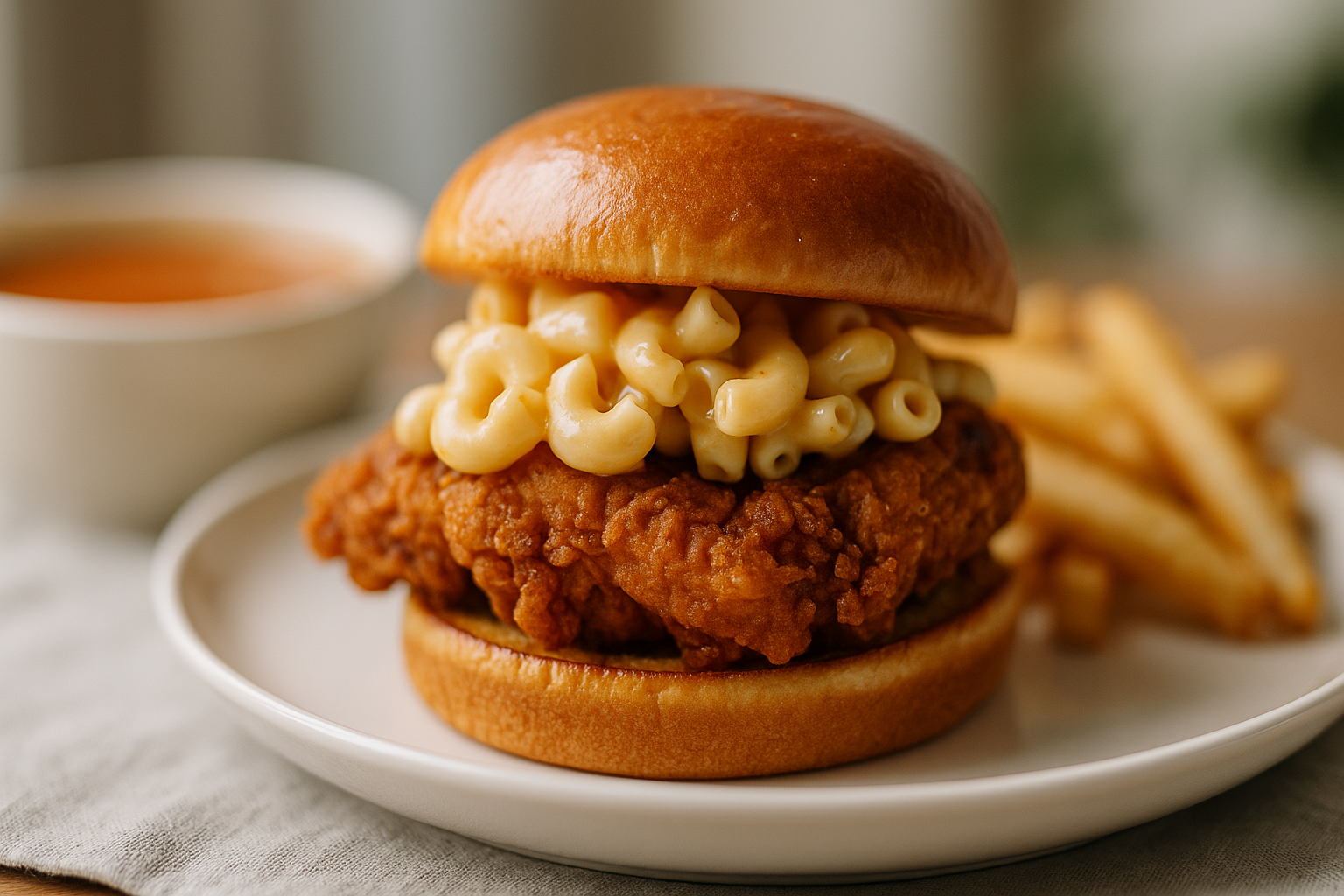
Your grandmother’s pot roast recipe has been simmering in your memory for decades, but when you tried to recreate it last week, something felt off. Not wrong exactly, just a little heavy for modern tastes. The truth is, the comfort food classics we grew up loving don’t have to disappear from our dinner tables. They just need a little reimagining to match how we eat today, with fresher ingredients, bolder flavors, and techniques that honor tradition while embracing innovation.
Modern twists on comfort food aren’t about abandoning what made these dishes special in the first place. They’re about enhancing textures, deepening flavors, and sometimes lightening things up without sacrificing that soul-warming satisfaction. Whether you’re craving mac and cheese, meatloaf, or chicken pot pie, these updated approaches will transform familiar favorites into dishes that feel both nostalgic and excitingly new.
Why Classic Comfort Foods Deserve a Modern Update
The comfort foods that dominated American tables for generations were products of their time. Many relied on canned soups, boxed mixes, and heavy cream because those were the convenient, affordable options available. Today’s home cooks have access to better ingredients, global flavors, and cooking techniques that can elevate these dishes without complicating them.
According to culinary experts on elevated comfort food, the key is balancing innovation with familiarity. You want to recognize the dish immediately, but be pleasantly surprised by unexpected elements that make it memorable. Think of it as giving your favorite recipes a gentle upgrade rather than a complete overhaul.
Modern updates also address how our palates have evolved. We’ve been exposed to more diverse cuisines, appreciate bolder seasonings, and often prefer lighter preparations that don’t leave us feeling sluggish. The goal isn’t to make comfort food virtuous or diet-friendly. It’s to make it taste even better while fitting naturally into how we actually eat today.
Transforming Mac and Cheese Beyond the Box
Few dishes scream comfort louder than mac and cheese, but the neon orange powder version doesn’t hold up once you’ve experienced the real thing. Start with a proper cheese sauce, a roux-based bechamel enriched with sharp white cheddar, aged Gruyere, and a touch of smoked Gouda for depth. The combination creates complexity that processed cheese simply can’t match.
The modern twist comes in the preparation and finishing touches. Instead of baking until everything turns into a uniform mass, cook your pasta just shy of al dente and toss it with the sauce. Top with panko breadcrumbs mixed with melted butter, grated Parmesan, and fresh thyme, then broil until golden and crispy. This creates textural contrast that makes every bite more interesting.
For those seeking inspiration beyond traditional pasta dishes, our guide to perfect homemade mac and cheese explores creative variations worth trying. Consider adding caramelized onions and bacon for a French onion-inspired version, or roasted butternut squash and sage for autumn depth. You can even incorporate lobster or truffle oil for special occasions, though honestly, the base recipe is impressive enough on its own.
Reimagining Meatloaf and Mashed Potatoes
Meatloaf suffers from a perception problem. Done poorly, it’s dense, bland, and reminiscent of cafeteria food. Done right, it’s a tender, flavorful centerpiece that deserves its place on modern dinner tables. The key is treating the meat gently and building in moisture from the start.
Skip the standard ketchup glaze and instead brush your meatloaf with a mixture of tomato paste, balsamic vinegar, brown sugar, and Dijon mustard. This creates a tangy, slightly sweet coating with actual depth. Inside the loaf, use a combination of ground beef and pork for better flavor, and add finely diced mushrooms and grated zucchini. These vegetables release moisture as they cook, keeping the meat tender while adding umami richness.
As explored in reimagined American classics, the real game-changer is the mashed potatoes. Swap half the butter for roasted garlic and olive oil, creating a lighter but equally rich accompaniment. Use Yukon Gold potatoes for natural creaminess, and leave some skins on for texture and nutrition. Finish with a drizzle of brown butter and fresh chives for restaurant-quality presentation.
Elevating Chicken Pot Pie With Modern Techniques
Traditional chicken pot pie often means canned cream of chicken soup poured over frozen vegetables and topped with refrigerated dough. The modern version starts from scratch but isn’t significantly more difficult, and the flavor difference is remarkable.
Begin by roasting bone-in chicken thighs until the skin is crispy, then shred the meat and reserve it. Use those bones and drippings to create a quick stock that forms the base of your sauce. This adds depth that canned soup can’t replicate. For the vegetables, roast carrots, pearl onions, and mushrooms separately before adding them to the filling. This caramelization creates individual flavor notes rather than everything tasting the same.
The pastry deserves attention too. A rough puff pastry takes minimal effort but delivers impressive flakiness and buttery flavor. If you’re short on time, store-bought puff pastry works beautifully. The trick is brushing it with an egg wash mixed with cream and sprinkling flaky sea salt on top before baking. This creates a golden, crispy topping that contrasts perfectly with the creamy filling underneath.
Consider individual portions in ramekins for dinner parties. They look elegant, ensure everyone gets pastry, and make serving significantly easier. You can assemble them ahead and bake just before serving, making this updated classic surprisingly practical for entertaining.
Modernizing Fried Chicken Without Losing the Soul
Fried chicken represents the pinnacle of comfort food, but modern home cooks often skip it because of the mess and calories. The updated approach addresses both concerns without sacrificing the crispy, juicy results that make fried chicken special.
Start with a buttermilk brine seasoned with hot sauce and fresh herbs. This tenderizes the chicken while adding flavor throughout, not just on the surface. For the coating, mix traditional flour with cornstarch and a touch of baking powder. These additions create extra crispiness and help the crust stay crunchy even as it cools.
The modern twist? Consider an oven-frying method that delivers surprisingly authentic results with far less oil. After coating the chicken, place pieces on a wire rack set over a baking sheet. Spray or brush the coating with oil, then bake at high heat until golden and crispy. You won’t get exactly the same result as deep-frying, but you’ll come impressively close with minimal cleanup and fewer calories.
For those interested in traditional techniques, our article on crispy fried chicken secrets covers authentic Southern methods. You can also explore global seasonings like za’atar, gochugaru, or berbere in your coating for international flair. The buttermilk brine and crispy technique work beautifully with bold spices that take fried chicken in unexpected directions.
Updating Casseroles for Contemporary Tastes
Casseroles often rely on canned soups and processed ingredients because they were designed for convenience during an era when both parents worked full-time and cooking from scratch felt impossible. Today’s versions can maintain that convenience while dramatically improving flavor and nutrition.
Take green bean casserole, that Thanksgiving staple. Instead of canned green beans and cream of mushroom soup, blanch fresh green beans until crisp-tender and create a simple mushroom sauce from scratch. Saute sliced cremini mushrooms in butter until deeply browned, add flour to create a roux, then whisk in chicken stock and cream. Season with fresh thyme, garlic, and a splash of white wine.
For the topping, skip the canned fried onions and make your own. Thinly slice shallots, toss them in buttermilk, dredge in seasoned flour, and quickly fry until golden. These crispy shallots add texture and flavor that transform the dish from obligatory side to something people actually look forward to eating.
The same principle applies to other casserole classics. Tuna noodle casserole becomes impressive with fresh tuna, homemade bechamel, and a breadcrumb topping mixed with lemon zest and parsley. Sweet potato casserole loses the marshmallows in favor of a pecan streusel with brown butter and a hint of bourbon. These aren’t harder to make, they just use better ingredients and techniques that enhance rather than mask flavors.
Lightening Up Without Losing Satisfaction
Modern interpretations of comfort food often focus on making dishes lighter, but this can backfire if you sacrifice too much richness. The goal isn’t to create diet versions of beloved recipes. It’s to remove unnecessary heaviness while preserving the essential qualities that make comfort food comforting.
Research shows that healthier comfort food approaches work best when you focus on adding rather than subtracting. Add more vegetables to beef stew without reducing the beef. Add fresh herbs and citrus to heavy cream sauces to cut through richness. Add textural elements like toasted nuts or crispy breadcrumbs so each bite stays interesting.
Consider swapping cooking methods rather than ingredients. Braising and slow-roasting develop deep flavors without requiring excessive fat. A pot roast cooked low and slow with aromatic vegetables creates its own rich sauce without adding cream. Roasted vegetables caramelize naturally, becoming sweet and satisfying without butter or cheese.
When you do use rich ingredients like cream, butter, or cheese, make them count. Use small amounts of high-quality versions where they’ll have maximum impact. A tablespoon of excellent butter swirled into a sauce at the end delivers more flavor than a stick mixed in throughout. A sprinkle of aged Parmesan provides more punch than a cup of pre-shredded mild cheddar.
Incorporating Global Flavors Into Familiar Dishes
One of the most exciting modern twists on comfort food comes from borrowing techniques and flavors from other cuisines. These cross-cultural experiments honor the spirit of comfort food while expanding our definition of what feels comforting.
Shepherd’s pie transforms with the addition of garam masala, ginger, and peas to the lamb filling, topped with mashed potatoes mixed with turmeric and cilantro. The familiar format remains, but the flavors transport you somewhere unexpected. Meatballs become infinitely more interesting when you add Middle Eastern spices, pine nuts, and currants, then serve them in tomato sauce spiked with cinnamon and allspice.
According to innovative takes on classic comfort foods, successful fusion requires balance. You want enough familiar elements that the dish still feels comforting, but enough new flavors to make it exciting. Think of Korean-style fried chicken with gochujang glaze, or mac and cheese with Japanese curry and panko. These combinations work because they respect both culinary traditions.
Don’t limit yourself to obvious pairings. Italian sausage and peppers becomes more complex with fennel pollen and Calabrian chili. Classic beef stew gains depth from miso paste and shiitake mushrooms. Even simple grilled cheese sandwiches improve with additions like kimchi, fig jam, or truffle oil. The key is understanding which flavors complement each other and which clash.
Making Comfort Food Work for Modern Lifestyles
The biggest challenge with classic comfort food isn’t updating flavors, it’s fitting lengthy cooking times into busy schedules. Modern approaches embrace make-ahead techniques and strategic shortcuts that preserve quality while respecting time constraints.
Many comfort food dishes actually improve when made ahead. Chili, stew, and braised meats develop deeper flavors after sitting overnight as the seasonings meld. Casseroles can be fully assembled and refrigerated, then baked when needed. Even fried chicken can be partially prepared in advance by brining overnight and coating several hours before frying.
For weeknight cooking, our collection of quick weeknight dinners offers strategies for faster preparation without sacrificing flavor. Consider pressure cookers for dishes that traditionally require hours of simmering. A pot roast that needs four hours in the oven becomes tender in 45 minutes under pressure, with virtually identical results.
Smart ingredient choices also save time. Pre-cut vegetables cost more but eliminate significant prep work. Rotisserie chicken provides the foundation for pot pie, chicken and dumplings, or soup in minutes. High-quality jarred marinara sauce rivals homemade when you doctor it with fresh garlic, herbs, and a splash of wine. These aren’t cheating, they’re working intelligently with the resources available to modern cooks.
Comfort food classics earned their place in our culinary repertoire because they deliver satisfaction, nostalgia, and genuine deliciousness. Modern updates don’t replace these beloved dishes, they enhance them with better ingredients, smarter techniques, and flavors that reflect our increasingly global palates. The result is food that comforts in all the traditional ways while tasting unmistakably contemporary. Start with one favorite recipe and experiment with a single modern twist. You might find that the updated version becomes the new classic your family requests for generations to come.

Leave a Reply