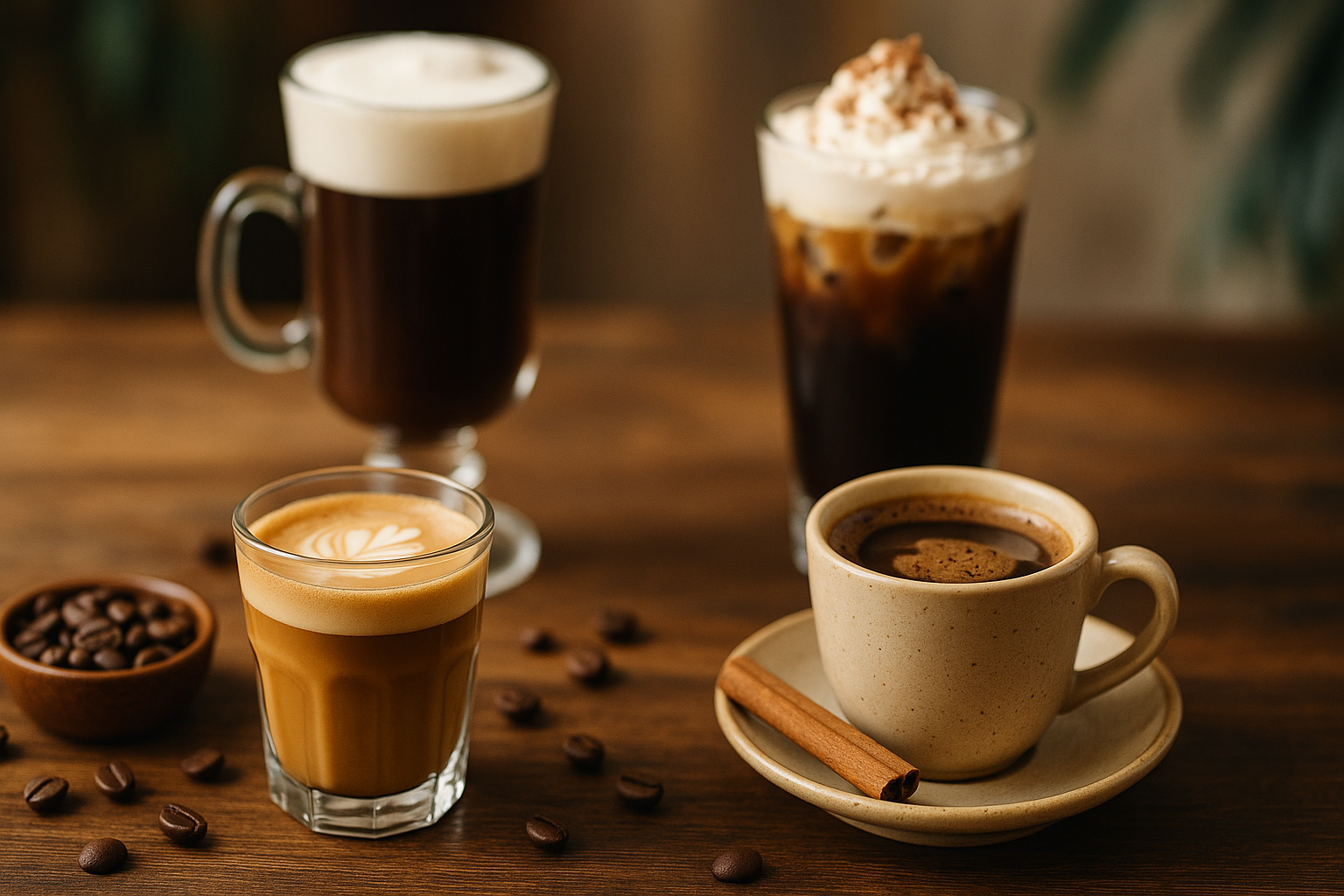
The scent of freshly brewed coffee can transport you across continents in a single sip. In Italy, espresso isn’t just a drink – it’s a standing-at-the-bar ritual. In Turkey, coffee grounds tell fortunes. In Vietnam, condensed milk transforms dark roast into liquid dessert. While the basic concept of coffee remains universal, every culture has reimagined this beloved beverage into something uniquely their own, creating traditions that reveal as much about local values as they do about flavor preferences.
If you’ve only experienced American drip coffee or your local cafe’s standard menu, you’re missing out on a world of coffee creativity. These international coffee recipes represent centuries of experimentation, cultural evolution, and the human desire to make something familiar feel special. Whether you’re looking to expand your morning routine or impress guests with unique beverage presentations, these global coffee traditions offer techniques and flavors you won’t find in your typical coffee shop.
Italian Espresso Culture: The Foundation of Coffee Excellence
Italy didn’t invent coffee, but Italians perfected the art of drinking it quickly and with intense appreciation. The espresso – literally “pressed out” in Italian – emerged in early 20th century Milan as a solution to slow coffee service. Today, it’s the backbone of Italian coffee culture and the foundation for countless variations worldwide.
A proper Italian espresso requires finely ground coffee, approximately 25-30 seconds of extraction time, and water heated to precisely 195-205°F. The result should be a one-ounce shot with a golden-brown crema on top, consumed while standing at the bar in three sips or less. Italians consider lingering over espresso almost sacrilegious – this is fuel and pleasure combined, not a leisure activity.
For a classic cappuccino (acceptable only before 11 AM in Italy), combine one shot of espresso with equal parts steamed milk and milk foam. The name supposedly comes from Capuchin monks, whose brown robes matched the drink’s color. Italians never order cappuccino after meals, believing the milk interferes with digestion. If you want afternoon coffee, stick with macchiato – espresso “marked” with just a dollop of foamed milk.
Turkish Coffee: Ancient Brewing Meets Modern Fortune-Telling
Turkish coffee represents one of the oldest preparation methods still in widespread use. Unlike filtered coffee, this technique involves boiling extremely fine coffee grounds with water (and often sugar) in a special pot called a cezve or ibrik. The grounds remain in the cup, settling at the bottom as you drink.
To prepare authentic Turkish coffee, you’ll need coffee ground to powder-fine consistency – much finer than espresso. Combine one heaping teaspoon of this ultra-fine coffee with three ounces of cold water and sugar to taste in your cezve. Place over low heat and watch carefully. As the coffee heats, it will foam up dramatically. Remove from heat just before it boils over, let the foam settle, then return to heat. Repeat this process three times for proper extraction.
Pour into small demitasse cups, allowing the grounds to settle for a few minutes before drinking. The thick, almost syrupy consistency and intense flavor profile differ dramatically from filtered coffee methods. According to coffee culture experts, the ritual extends beyond drinking – after finishing, invert your cup onto the saucer, let it cool, and someone versed in tasseography (coffee ground reading) can interpret the patterns left behind.
Vietnamese Ca Phe Sua Da: Sweet Condensed Perfection
Vietnam’s French colonial history created an unexpected coffee innovation. When fresh milk proved scarce and expensive, Vietnamese coffee drinkers turned to sweetened condensed milk, creating a combination that’s now beloved worldwide. Ca phe sua da (Vietnamese iced coffee) balances robusta coffee’s intense bitterness with condensed milk’s caramel-like sweetness.
The traditional preparation uses a phin filter – a small metal dripper that sits directly on your glass. Add two to three tablespoons of coarsely ground Vietnamese coffee (usually a dark roast robusta blend) to the filter chamber. Pour in a small amount of hot water to bloom the grounds, wait 30 seconds, then fill with hot water and place the lid on top. The coffee will slowly drip through over several minutes, creating a concentrated brew.
While the coffee drips, add two to three tablespoons of sweetened condensed milk to your serving glass. Once the coffee finishes dripping (this takes about four to five minutes – patience is essential), stir the coffee and condensed milk together. For traditional ca phe sua da, pour over a glass filled with ice. The result is intensely sweet, creamy, and strong enough to keep you alert through the hottest afternoon. Some cafes now experiment with this technique in creative coffee preparations that blend Vietnamese tradition with modern cafe culture.
Greek Frappe: The Accidental Icon of Summer Coffee
In 1957, a Nescafe representative at the Thessaloniki International Fair couldn’t find hot water for his coffee break. He improvised by mixing instant coffee with cold water and ice in a shaker, accidentally creating Greece’s national coffee drink. The frappe has since become synonymous with Greek cafe culture and leisurely Mediterranean afternoons.
Making an authentic Greek frappe requires instant coffee – fresh-brewed coffee won’t create the signature foam. Combine one to two teaspoons of instant coffee with one to two teaspoons of sugar (adjust to preference) and about two tablespoons of cold water in a shaker or blender. Shake or blend vigorously for 10-15 seconds until a thick foam develops. This foam is crucial – without it, you just have iced instant coffee.
Pour the foam into a tall glass, add cold water (about six ounces), ice cubes, and milk if desired. Serve with a straw – Greeks typically sip frappe slowly over hours of conversation. The drink separates into layers as you drink: foamy top, coffee middle, and settled bottom. Many Greeks consider frappe the only acceptable afternoon coffee, rejecting hot coffee during summer months entirely. While coffee purists might scoff at instant coffee, the frappe’s cultural significance in Greece makes it as legitimate as any artisanal brew.
Spanish Cafe Bombon: Layered Visual Drama
Spain’s cafe bombon demonstrates how presentation can elevate a simple recipe into an experience. This drink layers espresso over sweetened condensed milk in a clear glass, creating a striking visual contrast before you stir it together. Originally from Valencia, cafe bombon has spread throughout Spain and into Latin American coffee culture.
The preparation is deceptively simple but requires attention to ratios. Fill a small clear glass about halfway with sweetened condensed milk – typically two to three tablespoons. Brew a single or double shot of espresso, then slowly pour it over the back of a spoon held just above the condensed milk. This technique allows the espresso to float on top of the denser condensed milk, creating distinct layers.
Serve immediately without stirring, allowing drinkers to admire the layers before mixing. The first sip captures pure espresso bitterness, while stirring gradually incorporates the sweetness. Some Spanish cafes serve cafe bombon with a small spoon for controlled stirring, letting you adjust sweetness sip by sip. This drink works equally well hot or iced, though the layered presentation is less dramatic over ice as the espresso cools and mingles with condensed milk more quickly.
Irish Coffee: Whiskey-Spiked Warmth
Irish coffee emerged from necessity at Shannon Airport in the 1940s, when chef Joe Sheridan added whiskey to coffee to warm passengers delayed by winter weather. When asked if he was serving Brazilian coffee, he quipped, “No, that’s Irish coffee.” The drink quickly became an international classic, though many bars prepare it incorrectly.
Authentic Irish coffee requires specific proportions and technique. Warm a stemmed glass (never a mug – you need to see the layers) by filling it with hot water, then discard the water. Add one to two teaspoons of brown sugar and fill three-quarters with strong hot coffee – preferably French press or pour-over, not weak drip coffee. Stir until the sugar completely dissolves.
Add one and a half ounces of Irish whiskey (Jameson is traditional, though any quality Irish whiskey works) and stir gently. Here’s where most recipes fail: the cream must be lightly whipped to soft peak consistency, not liquid and not stiff. Pour the cream over the back of a warm spoon held just above the coffee surface, allowing it to float on top. The proper Irish coffee has distinct layers – dark coffee below, pale cream above – and should be drunk through the cream without stirring. Those interested in other creative beverage presentations might appreciate techniques from specialty coffee drink recipes that require similar layering skills.
Swedish Kaffeost: Coffee Meets Cheese
In northern Sweden and Finland, some still practice kaffeost – literally “coffee cheese” – a tradition that sounds strange until you try it. This involves placing chunks of leipajuusto (Finnish squeaky cheese) into a cup and pouring hot coffee over it. The cheese absorbs coffee while releasing a subtle sweetness, and you eat the coffee-soaked cheese with a spoon once you finish drinking.
Leipajuusto, also called bread cheese, is a mild, slightly sweet cheese with a squeaky texture similar to halloumi. To prepare kaffeost, cut the cheese into half-inch cubes and place three to four pieces in the bottom of your cup. Brew strong coffee using your preferred method – Finnish coffee is typically lighter roast than Italian or French coffee. Pour the hot coffee over the cheese and let it sit for a minute.
As you drink the coffee, the cheese softens and absorbs the liquid, developing a unique texture between bread pudding and cheese curds. The coffee takes on subtle creamy notes from the cheese. Once you finish the coffee, eat the cheese with a spoon – it will have transformed into something entirely different from its original form. This tradition reflects the Scandinavian appreciation for simple, unexpected food combinations that provide comfort during long, dark winters.
Mexican Cafe de Olla: Cinnamon-Spiced Tradition
Mexico’s cafe de olla (pot coffee) dates back centuries, traditionally brewed in clay pots that impart subtle earthy flavors. The defining characteristics are piloncillo (unrefined cane sugar) and cinnamon, creating a spiced sweetness that complements rather than overwhelms the coffee. Some variations include cloves, star anise, or orange peel.
To prepare cafe de olla authentically, use a clay pot if possible, though any pot works in a pinch. Combine four cups of water with two cinnamon sticks and about three ounces of piloncillo (substitute dark brown sugar if piloncillo is unavailable) in your pot. Bring to a boil, then reduce heat and simmer for five minutes, allowing the spices to infuse.
Add four tablespoons of coarsely ground dark roast coffee directly to the spiced water – no filter. Remove from heat immediately and let it steep for five minutes. Strain through a fine mesh sieve or cheesecloth into cups. The result tastes distinctly different from coffee with cinnamon added afterward – the spices and coffee brew together, creating integrated flavors rather than separate components. Cafe de olla is typically served at breakfast alongside traditional Latin American comfort foods, though it’s appropriate any time of day.
Bringing Global Coffee Culture Home
These international coffee recipes demonstrate that coffee’s versatility extends far beyond beans and brewing methods. Each tradition emerged from specific cultural contexts – Italy’s fast-paced bar culture, Vietnam’s colonial history, Greece’s leisurely cafe society, Mexico’s indigenous ingredients – and evolved into something that transcends its origins.
You don’t need to travel internationally to experience these drinks. Most require only standard coffee-making equipment plus a few special ingredients: sweetened condensed milk for Vietnamese and Spanish styles, instant coffee for Greek frappe, Irish whiskey for Irish coffee, piloncillo and cinnamon for Mexican cafe de olla. The techniques might feel unfamiliar at first – waiting for slow Vietnamese drips, shaking Greek frappe foam, layering Irish coffee cream – but they quickly become intuitive.
Start by choosing one recipe that intrigues you and master it before moving to the next. Pay attention to the ratios, temperatures, and timing that each tradition emphasizes. Notice how Turkish coffee’s slow heating differs from Italian espresso’s pressure extraction, or how Swedish kaffeost transforms cheese through temperature and time. These aren’t just recipes – they’re invitations to understand how different cultures have answered the universal question: what’s the best way to enjoy coffee?
As you develop these skills alongside basics like fundamental kitchen techniques and understanding flavor balance principles, you’ll discover that coffee offers as much opportunity for culinary exploration as any ingredient in your kitchen. Each cup becomes a conversation with centuries of tradition, a moment of connection with distant places, and a reminder that the simplest ingredients can create the most meaningful experiences when prepared with attention and respect.

Leave a Reply