Walk into most home kitchens and you’ll find drawers stuffed with gadgets that promised to revolutionize dinner prep but now just take up space. That avocado slicer gathering dust. The garlic press you’ve used exactly once. The specialty knife for cutting bagels that seemed essential at 2 AM while scrolling through Instagram ads. Here’s the truth that kitchen equipment companies don’t want you to know: you need far fewer tools than you think to cook exceptional food.
The difference between a well-equipped kitchen and an overcrowded one isn’t about quantity. It’s about understanding which tools actually earn their counter space and which are just expensive clutter. Professional chefs often work with a surprisingly minimal toolkit, relying on versatile, high-quality essentials rather than single-purpose gadgets. This guide cuts through the marketing hype to show you exactly what belongs in your kitchen and what you can skip without regret.
The Non-Negotiable Essentials That Earn Their Space
Every functional kitchen needs a foundation of truly essential tools. These aren’t optional upgrades or nice-to-haves. They’re the workhorses that you’ll reach for almost every time you cook, and investing in quality versions pays dividends in performance and longevity.
Start with knives, but not a 15-piece block set. You need exactly three: an 8-inch chef’s knife, a paring knife, and a serrated bread knife. That chef’s knife will handle 90% of your cutting tasks, from dicing onions to breaking down a whole chicken. Your paring knife tackles detail work like deveining shrimp or hulling strawberries. The bread knife slices crusty loaves and delicate tomatoes without mangling them. Every other knife in those expensive sets just takes up drawer space.
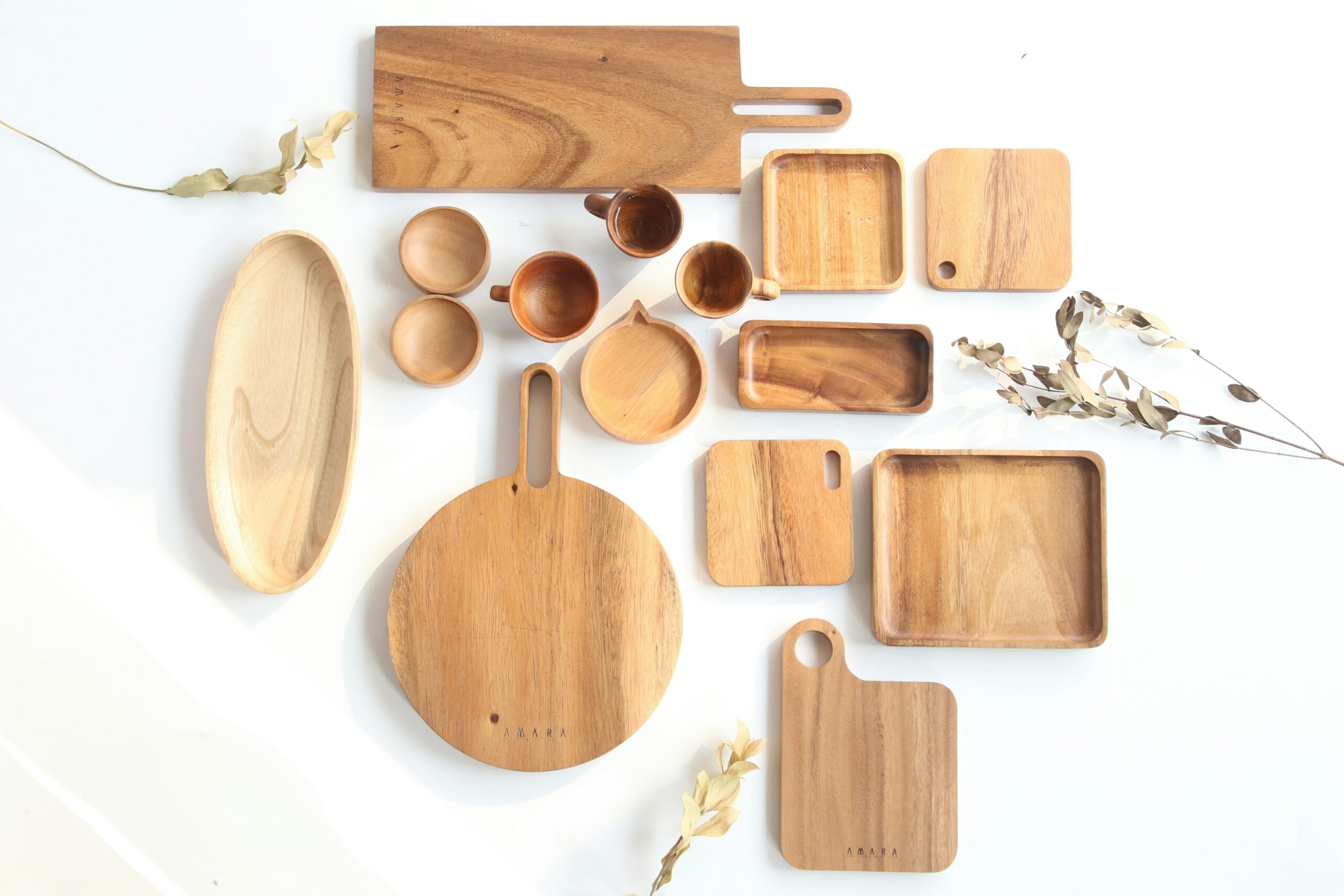
A large, heavy cutting board makes knife work safer and more efficient. Wood or bamboo boards are gentler on knife edges than plastic, and they don’t slip around your counter during aggressive chopping. Get one that’s at least 12 by 18 inches. Anything smaller and you’ll spend half your time chasing rolling vegetables across your workspace.
For cookware, resist the temptation to buy matching sets. You need four pans: a 10 or 12-inch stainless steel skillet, a 10-inch nonstick pan, a 3 or 4-quart saucepan with a lid, and a large stockpot for pasta and soups. Cast iron deserves consideration too. A 10-inch cast iron skillet does things your other pans can’t, from achieving restaurant-quality sears to moving seamlessly from stovetop to oven.
Measuring, Mixing, and Prep Tools Worth Owning
Accurate measuring separates baking disasters from triumphs, but you don’t need a drawer full of different measuring tools. Invest in one set of dry measuring cups, one set of measuring spoons, and a liquid measuring cup with a pour spout. Glass measuring cups are more versatile than plastic because they’re microwave-safe and don’t stain or retain odors.
A set of mixing bowls in various sizes handles everything from whisking a single egg to tossing a salad for twelve people. Stainless steel bowls are nearly indestructible, lightweight, and stack neatly. You’ll want at least three sizes: small, medium, and large. Glass bowls work well too, especially for microwave use, but they’re heavier and more prone to breaking.
Every kitchen needs wooden spoons for stirring, a flexible silicone spatula for scraping bowls clean, and a sturdy metal spatula for flipping. Add tongs to this list because they’re essentially heat-proof extensions of your hands. Good tongs let you flip chicken breasts, toss pasta with sauce, or grab corn on the cob from boiling water. Get the spring-loaded kind with scalloped edges for better grip.
A box grater might seem old-fashioned, but it shreds cheese, zests citrus, and grates vegetables faster than most electric alternatives. Choose a four-sided grater with different grating sizes and a sturdy base so it won’t tip over mid-shred. The investment is minimal, the storage footprint is small, and the versatility is enormous.
Small Appliances That Actually Justify Counter Space
Small kitchen appliances divide into two categories: those you’ll use constantly and those that seemed brilliant in the store but become expensive dust collectors. The trick is being brutally honest about your actual cooking habits, not your aspirational ones.
A food processor ranks high on the genuinely useful list. It doesn’t just chop vegetables. It makes pie dough, hummus, pesto, breadcrumbs, and slices vegetables paper-thin for gratins. An 11 or 14-cup processor handles most tasks without feeling cramped. Smaller versions exist, but they’re surprisingly limiting once you start using the machine regularly.
Blenders earn their counter real estate if you make smoothies, soups, or sauces regularly. Immersion blenders offer a space-saving alternative that purees soup directly in the pot and cleans up faster than traditional blenders. However, traditional countertop blenders have more power for crushing ice and processing frozen fruit. Choose based on what you actually make, not what you think you should make.
Stand mixers inspire passionate devotion among bakers and collect dust in non-bakers’ kitchens. If you make bread, cookies, or cakes weekly, a stand mixer transforms tedious hand-mixing into hands-free convenience. If you bake three times a year, a simple hand mixer or even a whisk and some arm strength works fine. Stand mixers are expensive and bulky, so this decision deserves honest self-assessment.
Slow cookers and Instant Pots fall into the “depends on your lifestyle” category. They’re genuinely useful for busy people who want home-cooked meals with minimal active cooking time. But if you enjoy the process of cooking or you’re home during dinner prep anyway, a regular pot on the stove does the same job. Don’t buy these because everyone else has one. Buy them because they solve a specific problem in your routine.
The Overrated Tools You Can Skip Without Regret
Kitchen stores stay in business by convincing you that every cooking task requires its own specialized tool. The reality? Most single-purpose gadgets are solutions in search of problems.
Garlic presses top the unnecessary list. A chef’s knife minces garlic just as quickly, doesn’t leave half the garlic trapped in hard-to-clean crevices, and takes up zero dedicated storage space. The same logic applies to egg slicers, strawberry hullers, and avocado tools. Your existing knives and spoons already do these jobs.
Knife blocks and knife sets rank as clever marketing schemes. That 15-piece set includes knives you’ll never use, taking up counter space and dulling in the drawer. Buy knives individually, choosing quality over quantity. Store them on a magnetic wall strip or in a drawer insert that protects the edges. Your three essential knives deserve better than being crammed into a wooden block alongside twelve unnecessary companions.
Kitchen gadgets advertised on late-night TV or social media almost universally disappoint. That vegetable spiralizer seemed revolutionary until you realized cleaning it takes longer than eating the zucchini noodles it creates. The breakfast sandwich maker works for exactly one type of sandwich and demands dedicated cabinet space. The electric wine opener solves a problem that didn’t need solving.
Specialty bakeware falls into this category too. Muffin top pans, doughnut pans, and cake pop makers sound fun until you realize how rarely you actually make those specific items. Standard muffin tins, cake pans, and baking sheets handle 95% of home baking needs. Save your money and storage space for tools with broader applications.
Quality Versus Bargain Hunting – Where to Invest
Not all kitchen tools deserve equal investment. Some items perform nearly identically across price points, while others follow a direct correlation between price and performance.
Spend serious money on knives. A quality chef’s knife lasts decades with proper care, holds its edge longer, and makes cutting safer and more enjoyable. Cheap knives dull quickly, require constant sharpening, and actually increase injury risk because dull blades require more pressure and are more likely to slip. This doesn’t mean buying the most expensive knife in the store, but it does mean avoiding bottom-tier options.
Cookware deserves careful investment too. Cheap nonstick pans lose their coating within a year. Quality stainless steel pans develop better heat distribution and last indefinitely. Cast iron, properly maintained, becomes an heirloom. Calculate cost per use over years rather than just looking at the initial price tag. A 100-dollar pan you use for fifteen years costs far less than a 30-dollar pan you replace every eighteen months.
Cutting boards, on the other hand, don’t require premium pricing. A solid wood or bamboo board from a restaurant supply store performs just as well as designer versions at a fraction of the cost. The same applies to mixing bowls, measuring cups, and basic utensils. Focus your budget on the tools where quality truly impacts performance.
Small appliances occupy middle ground. You don’t need the most expensive food processor on the market, but the cheapest option will frustrate you with underpowered motors and fragile components. Research mid-range options from reputable brands. Read reviews that mention long-term durability, not just initial impressions. A slightly higher upfront cost often means years of reliable service instead of early replacement.
Building Your Kitchen Toolkit Strategically
Nobody needs to buy everything at once. Building a well-equipped kitchen happens gradually, guided by your actual cooking patterns rather than theoretical meal plans.
Start with the absolute essentials: one good chef’s knife, a cutting board, a skillet, and a saucepan. Cook with just these items for a few weeks. You’ll quickly discover what’s missing based on actual frustration rather than imagined needs. Maybe you keep wishing for tongs while flipping chicken. Perhaps you need a larger pot for pasta. These real-world gaps guide smart purchases better than any checklist.
Resist the urge to buy tools for dishes you plan to make someday. Purchase equipment for meals you actually cook regularly. If you make stir-fry twice a week, a wok makes sense. If you’ve talked about making stir-fry for three years but haven’t actually done it, skip the wok. Your kitchen should reflect your real cooking life, not an aspirational version that exists only in your imagination.
Watch for quality tools at discount prices. Restaurant supply stores sell professional-grade equipment without the retail markup. Thrift stores and estate sales often have barely-used kitchen items from people who bought aspirationally. You can find cast iron pans, mixing bowls, and bakeware in excellent condition for a fraction of retail prices. Just avoid used knives and nonstick cookware, where wear and damage significantly impact performance.
Consider borrowing before buying for specialty items. Planning to make fresh pasta once? Borrow a friend’s pasta roller attachment instead of buying one that will gather dust after your Italian cooking phase ends. Hosting Thanksgiving once a year doesn’t justify owning a roasting pan that sits empty for eleven months. Borrow, rent, or improvise rather than accumulating rarely-used equipment.
Maintaining What You Own
The best kitchen tools in the world become useless if you don’t maintain them properly. Simple care habits extend lifespan and preserve performance.
Knife care determines whether your quality chef’s knife lasts five years or fifty. Hand wash and dry knives immediately after use rather than leaving them in the sink or running them through the dishwasher. The harsh detergents and high heat damage both the blade and the handle. Sharpen knives regularly using a whetstone or professional service. A sharp knife is safer, more efficient, and more enjoyable to use than a dull one.
Cast iron requires different care than other cookware. Season it properly before first use and maintain that seasoning with each cooking session. Clean cast iron with hot water and a stiff brush, avoiding soap that strips the seasoning. Dry thoroughly and rub with a thin layer of oil after each wash. Properly maintained cast iron becomes more nonstick over time, developing a natural patina that synthetic coatings can’t match.
Wooden cutting boards and utensils need occasional oiling to prevent cracking and warping. Food-grade mineral oil works perfectly. Apply it monthly or whenever the wood looks dry. This simple maintenance keeps boards smooth, prevents bacterial growth in cracks, and extends their useful life dramatically.
Store tools properly to prevent damage and maximize kitchen efficiency. Keep frequently used items within easy reach. Store knives in a way that protects their edges, whether that’s a magnetic strip, a drawer insert, or individual blade guards. Nest pots and pans carefully to prevent scratching. Hang utensils near the stove for quick access. Organization isn’t just aesthetic – it makes cooking faster and more enjoyable.
The perfect kitchen toolkit looks different for everyone because cooking styles vary enormously. A baker needs different tools than someone who meal preps on Sundays. Someone cooking for one requires less capacity than someone feeding a family. The key is understanding your actual needs, investing in quality for frequently-used essentials, and resisting the constant marketing pressure to buy more. A thoughtfully curated collection of well-maintained tools beats a drawer full of gadgets every single time. Start with the basics, add strategically based on real cooking patterns, and you’ll build a kitchen that works efficiently without the clutter.

Leave a Reply