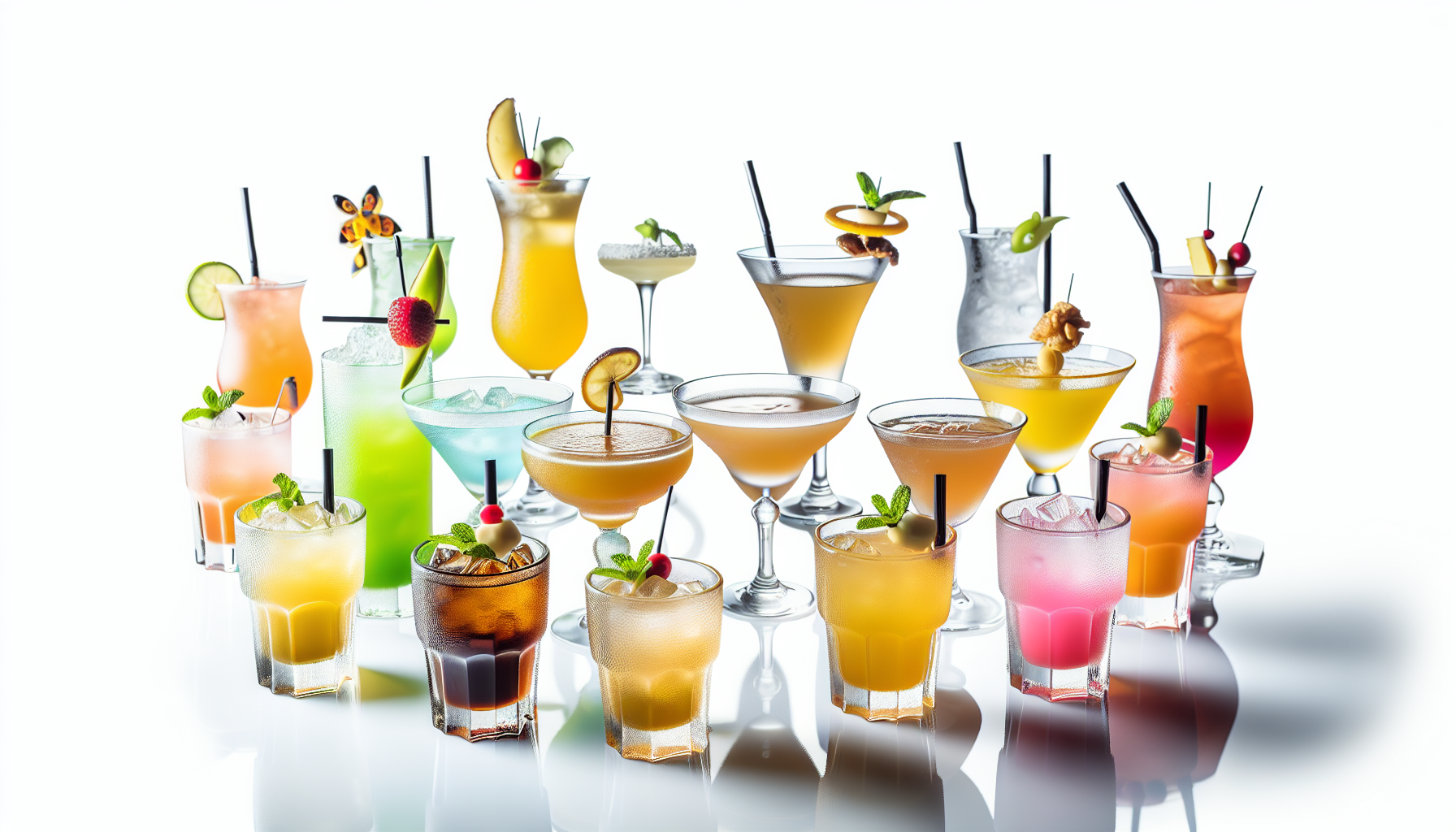
Let’s be honest – when most people think of mocktails, they imagine watered-down sodas with a sad cherry on top, something you order when you’re the designated driver or when you’ve given up on having fun. But here’s the truth that bartenders and mixologists have known for years: a well-crafted mocktail can be more interesting, more complex, and yes, even more delicious than its boozy counterpart.
The secret lies in understanding that alcohol isn’t actually what makes cocktails taste good. It’s the balance of sweet, sour, bitter, and aromatic elements, the texture, the temperature, and the thoughtful combination of quality ingredients. When you strip away the alcohol and focus on these fundamentals, you’re free to create drinks that are refreshing, sophisticated, and genuinely crave-worthy without any of the hangover or empty calories.
Why Mocktails Are Having Their Moment
The mocktail revolution isn’t just about people who don’t drink alcohol. It’s about anyone who wants to enjoy a special beverage without the effects of alcohol, whether that’s at lunch, during pregnancy, on a weeknight, or simply because they prefer being clear-headed. The rise of wellness culture, combined with innovative bartenders who view mocktails as a creative challenge rather than an afterthought, has transformed these alcohol-free drinks into legitimate culinary experiences.
Quality mocktails also offer something cocktails can’t quite match – pure, unadulterated flavor without the burn or bitterness that alcohol can bring. When you’re not masking or balancing booze, you can highlight delicate herb flavors, showcase fresh fruit at its peak, or create layered complexity that would get lost underneath spirits.
The Building Blocks of Exceptional Mocktails
Creating mocktails that rival cocktails requires understanding the fundamental elements that make any drink compelling. These components work together to create balance, complexity, and that special something that makes you want another sip.
The Acid Component
Fresh citrus juice provides brightness and prevents drinks from tasting flat or overly sweet. Lemon and lime are classics, but don’t overlook grapefruit, blood orange, or even yuzu. Fresh juice makes an enormous difference compared to bottled versions. Squeeze it yourself and use it within hours for the best flavor. For more information on balancing flavors in beverages, check out power breakfast ideas that incorporate fresh citrus.
The Sweet Element
Simple syrup is fine, but flavored syrups open up endless possibilities. Honey, agave, maple syrup, fruit reductions, and herb-infused syrups each bring distinct character. Make your own syrups by simmering equal parts sugar and water with additions like fresh mint, vanilla bean, ginger, or berries. They keep for weeks refrigerated and transform your mocktail game.
The Bitter or Complex Note
This is where mocktails can really shine. Tonic water, bitters (most contain negligible alcohol), tea (especially green, black, or herbal varieties), coffee, and ingredients like fresh ginger or aromatic herbs add depth and sophistication. These elements prevent drinks from being one-dimensional and create that “grown-up” quality.
Texture and Fizz
Carbonation makes drinks lively and interesting. Club soda, sparkling water, ginger beer, and kombucha all add effervescence. For creamy texture, coconut cream, aquafaba (chickpea liquid that froths like egg whites), or even a small amount of heavy cream can create body and richness.
Aromatic Garnishes
Never underestimate the power of garnish. Fresh herbs like mint, basil, or rosemary release aromatics as you sip. Citrus wheels or expressed peels provide aroma before your first taste. Edible flowers, cucumber ribbons, and creative ice (frozen fruit, herbs frozen in ice, or large clear cubes) elevate presentation dramatically.
Mocktails That Will Change Your Mind
Let’s move from theory to practice with specific recipes that demonstrate how exceptional alcohol-free drinks can be.
Cucumber Mint Sparkler
This refreshing drink feels like a spa in a glass. Muddle cucumber slices with fresh mint leaves and a squeeze of lime in a shaker. Add simple syrup to taste, then shake vigorously with ice. Strain into a glass filled with ice and top with sparkling water. Garnish with a cucumber ribbon and a mint sprig. The combination is cooling, herbaceous, and incredibly refreshing, perfect for warm afternoons or as a palate cleanser before meals.
Ginger Peach Fizz
Blend fresh or frozen peaches until smooth, then strain to remove pulp. Mix the peach juice with fresh lemon juice and ginger syrup (made by simmering grated fresh ginger with sugar and water). Pour over ice, top with ginger beer or sparkling water, and garnish with a peach slice and candied ginger. The natural sweetness of peach balanced with spicy ginger creates a complex, satisfying drink that’s anything but boring.
Blackberry Sage Shrub
Shrubs are drinking vinegars that add sophisticated tang to beverages. Make a blackberry sage shrub by mashing fresh blackberries with sugar, adding apple cider vinegar and torn sage leaves, then letting it sit for 24 hours before straining. Mix a few tablespoons of the shrub with sparkling water over ice. The result is tart, fruity, and herbaceous with a unique character that no cocktail can quite replicate. If you enjoy experimenting with unique flavor combinations, explore knife skills for preparing fresh garnishes.
Lavender Lemonade
This elegant drink proves that simple can be stunning. Make lavender simple syrup by steeping dried culinary lavender in hot sugar syrup for ten minutes, then straining. Mix fresh lemon juice with the lavender syrup and cold water to taste. Serve over ice with a sprig of fresh lavender and a lemon wheel. The floral notes complement the tart lemon beautifully without tasting like perfume when properly balanced.
Watermelon Basil Refresher
Blend fresh watermelon until liquid, then strain to remove pulp. Muddle fresh basil leaves gently in the bottom of a glass, add ice, pour in the watermelon juice, and finish with a squeeze of lime and a splash of sparkling water. The sweet watermelon with aromatic basil and tart lime creates a combination that’s both unexpected and utterly refreshing.
Advanced Techniques for Professional Results
Once you’ve mastered basic mocktails, these techniques will take your drinks to the next level.
Foam and Froth
Aquafaba (the liquid from canned chickpeas) acts as a vegan egg white substitute that creates beautiful foam when shaken. Add two tablespoons to your shaker with the other ingredients and dry shake (without ice) vigorously for thirty seconds, then add ice and shake again. Strain into your glass and watch the silky foam settle on top. This technique works beautifully in citrus-based drinks.
Smoking and Torching
Add drama and depth by smoking your glass with a handheld smoker or by placing it upside down over smoldering rosemary or wood chips for a few seconds. You can also torch citrus peels over your drink to release aromatic oils. These theatrical touches add both flavor and visual appeal.
Layering
Create visually stunning drinks by carefully layering ingredients of different densities. Pour heavier, sweeter liquids first, then slowly pour lighter ones over the back of a spoon so they float on top. As you drink, the flavors mingle gradually, changing the experience from start to finish.
Fat Washing
Yes, this technique works without alcohol. Infuse coconut cream, heavy cream, or butter with flavors like vanilla, cinnamon, or citrus zest by gently warming them together, then straining and chilling. Use these flavored fats to add richness and unusual flavor notes to your mocktails.
Stocking Your Mocktail Bar
Having the right ingredients on hand makes creating impressive mocktails spontaneous rather than requiring a special shopping trip.
Essential Ingredients
- Variety of fresh citrus (lemons, limes, oranges, grapefruit)
- Club soda and tonic water
- Ginger beer (preferably spicy versions)
- Simple syrup and honey
- Fresh herbs (mint, basil, rosemary, thyme)
- Bitters (Angostura and orange bitters contain minimal alcohol but huge flavor)
- Quality fruit juices (pomegranate, cranberry, pineapple)
- Fresh ginger root
- Seasonal fresh fruit
Nice-to-Have Additions
- Elderflower cordial or syrup
- Rose water or orange blossom water
- Coconut water or coconut cream
- Various teas (matcha, earl grey, hibiscus)
- Flavored sparkling waters
- Kombucha in various flavors
- Fresh turmeric root
- Edible flowers for garnish
Mocktails for Every Occasion
Different situations call for different drink styles. Here’s how to match your mocktails to the moment.
Morning and Brunch Mocktails
Keep it bright and refreshing. Citrus-forward drinks with herbs or gentle spice work well. Try a virgin mimosa made with fresh orange juice and sparkling water with a splash of peach nectar, or a non-alcoholic Bloody Mary with tomato juice, lemon, horseradish, hot sauce, and celery salt garnished with pickled vegetables. For more brunch inspiration, visit our guide to spring brunch recipes.
Afternoon Garden Party Drinks
Light, floral, and visually beautiful drinks suit outdoor gatherings. Cucumber-based drinks, lavender lemonades, berry spritzers, and herbal iced teas dressed up with fresh fruit and herbs feel sophisticated and seasonal.
Evening Dinner Mocktails
Create more complex, robust flavors that can stand up to food. Drinks with tea bases, ginger, darker fruit juices, or savory elements like tomato or beet work beautifully with dinner. Think of pairing principles – citrus and herbs with fish, berry-based drinks with poultry, and spiced drinks with red meat or rich vegetarian dishes.
Celebratory Occasions
Make it special with presentation. Use champagne flutes, create dramatic garnishes, add edible glitter or flowers, and incorporate sparkle through quality sparkling water or ginger beer. The ritual and presentation matter as much as the drink itself for celebrations.
Common Mistakes to Avoid
Even experienced home bartenders stumble when creating mocktails. Watch out for these pitfalls.
Making drinks too sweet is the most common error. Without alcohol to balance sweetness, you need more acidity or bitterness. Always taste and adjust, erring on the side of less sweet. You can always add more syrup, but you can’t remove it once mixed.
Using bottled juices instead of fresh citrus creates flat, artificial-tasting drinks. The fifteen seconds it takes to squeeze a lemon transforms your mocktail from acceptable to excellent.
Forgetting about dilution and temperature can ruin an otherwise good drink. Most mocktails benefit from being served very cold over plenty of ice. The melting ice dilutes concentrated flavors to the proper strength, so don’t be stingy with ice.
Treating mocktails as an afterthought rather than the main attraction means you’re not putting in the effort they deserve. If you’re serving them alongside cocktails, give them equal attention, presentation, and quality ingredients.
Making Mocktails Part of Your Lifestyle
You don’t need a special occasion to enjoy exceptional alcohol-free drinks. Making mocktails part of your regular routine offers a way to mark the end of the workday, enhance meals, or simply treat yourself to something special without alcohol’s effects.
Prep components in advance so creating mocktails becomes quick and easy. Keep syrups made, citrus juiced and stored in the refrigerator (use within 24 hours), herbs washed and ready, and fruit prepped. With ready components, you can mix a beautiful drink in under two minutes.
Experiment with seasonal ingredients to keep things interesting. Spring calls for strawberries and herbs, summer for stone fruits and melons, fall for apples and warm spices, and winter for citrus and pomegranate. Following the seasons ensures you’re working with ingredients at their peak flavor.
Conclusion
Mocktails that taste better than cocktails aren’t a myth or an exaggeration. They’re the natural result of focusing on what actually makes drinks delicious – balance, quality ingredients, proper technique, and thoughtful presentation. Whether you’re completely alcohol-free, cutting back, or simply want to enjoy sophisticated beverages any time of day, these techniques and recipes prove that you don’t need spirits to create something special. Start with one or two recipes that appeal to you, invest in fresh ingredients, and discover how satisfying alcohol-free drinking can be. Your taste buds won’t know the difference, but your morning self will thank you.

Leave a Reply