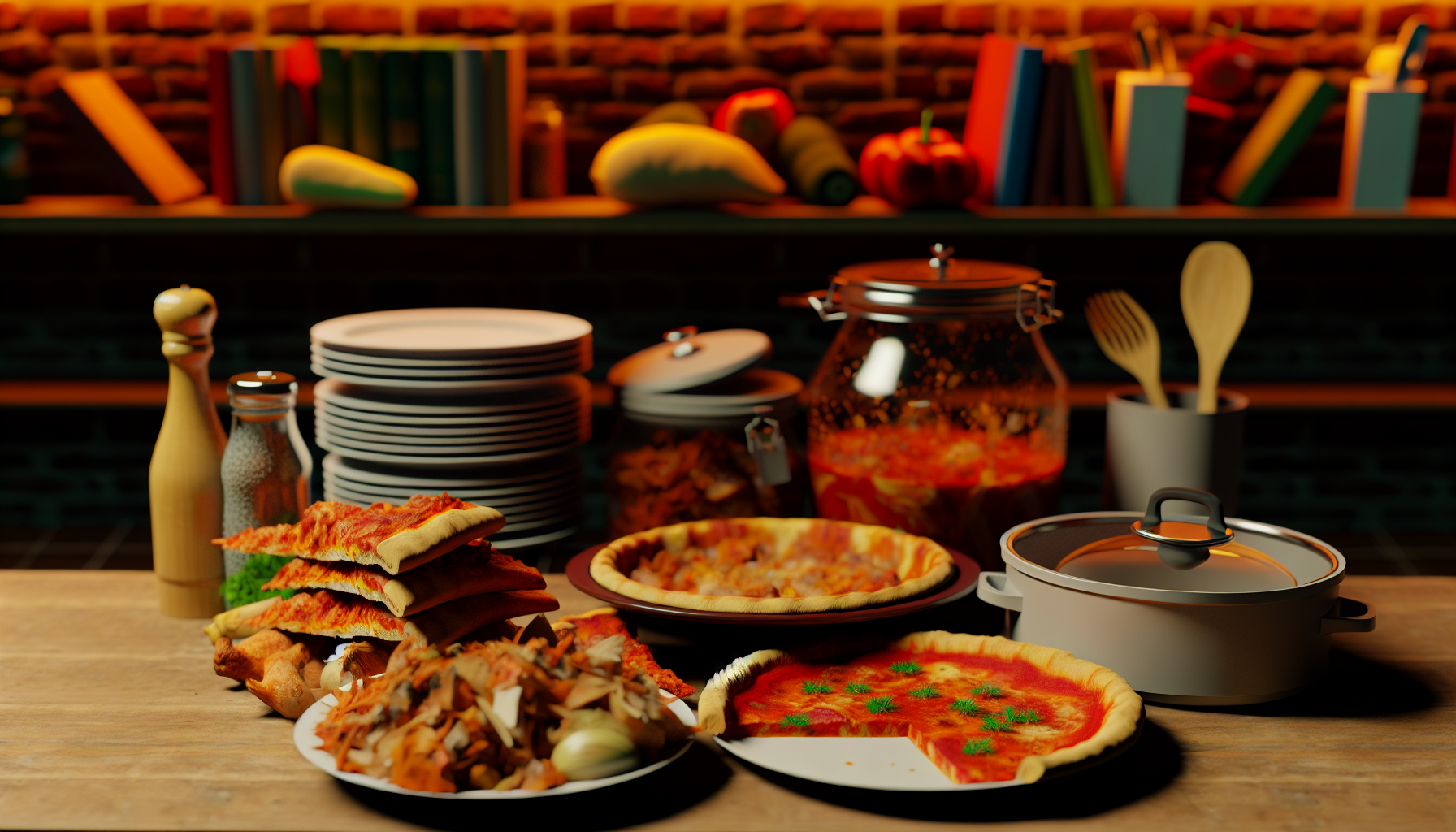
Every week, countless home cooks face the same dilemma: a refrigerator full of leftovers that nobody wants to eat. That chicken from Monday, the rice from Tuesday, and the roasted vegetables from Wednesday all sit there, slowly losing their appeal. But what if those leftovers weren’t the end of the story, but the beginning of something even better?
Transforming yesterday’s meals into today’s culinary masterpieces isn’t just about reducing waste—it’s about unlocking creativity in your kitchen and saving serious time and money. This guide will show you how to turn those forgotten containers into dishes your family will actually request.
Why Leftover Magic Matters
Before diving into techniques, it’s worth understanding why mastering leftover transformation is one of the most valuable skills in any cook’s arsenal. The average household throws away nearly 30% of the food they purchase, with leftovers being a major culprit. Beyond the environmental impact, that’s money literally going into the trash.
But there’s another benefit: leftover magic is the ultimate meal prep shortcut. When you know how to reinvent yesterday’s dinner, you’re essentially cooking once and eating two or three completely different meals. That rotisserie chicken becomes chicken tacos, then chicken fried rice, then chicken soup—each meal feeling fresh and intentional.
The Golden Rules of Leftover Transformation
Success with leftovers starts with mindset and a few core principles that separate mediocre reheating from true reinvention.
Change the Temperature
If your original dish was hot, serve it cold. If it was cold, make it hot. A warm pasta salad becomes a baked casserole. Cold fried chicken becomes the star of a hot sandwich with melted cheese. This simple shift changes the entire eating experience.
Switch the Cuisine
Your plain grilled chicken might have been American comfort food, but it can easily become Mexican, Asian, or Mediterranean with the right seasonings and accompaniments. Leftover protein is a blank canvas waiting for new flavors.
Alter the Texture
Crisp up what was soft, or make tender what was crispy. Stale bread becomes crunchy croutons. Leftover crispy chicken skin gets chopped into a creamy pasta. Texture transformation tricks your brain into thinking you’re eating something entirely new.
Hide It or Feature It
Sometimes the best approach is chopping leftovers small and incorporating them into soups, casseroles, or fried rice where they blend seamlessly. Other times, you want to showcase them in a new context—like using leftover steak as the centerpiece of a grain bowl with fresh vegetables and a vibrant sauce.
Protein Transformations
Leftover proteins are the workhorses of meal reinvention. Here’s how to give them new life.
Roasted or Grilled Chicken
Perhaps the most versatile leftover, chicken can go anywhere. Shred it and it becomes taco filling, chicken salad, or the base for buffalo chicken dip. Dice it for fried rice, quesadillas, or pasta. Keep it in larger pieces for sandwiches, grain bowls, or curry.
- Chicken Nachos: Layer tortilla chips with shredded chicken, beans, cheese, and jalapeños, then bake until bubbly
- Asian Lettuce Wraps: Dice chicken and stir-fry with water chestnuts, ginger, and soy sauce; serve in crisp lettuce cups
- Chicken and Waffles: Warm chicken pieces and serve over toaster waffles with maple syrup and hot sauce
- Quick Chicken Tortilla Soup: Simmer chicken stock with diced tomatoes, corn, black beans, and shredded chicken; top with tortilla strips
Steak or Roast Beef
Beef leftovers benefit from quick cooking methods that preserve their tenderness.
- Breakfast Hash: Dice beef and crisp it up with potatoes, onions, and peppers; top with a fried egg
- Philly Cheesesteak: Slice thin and sauté with peppers and onions; pile onto a toasted roll with melted cheese
- Beef Fried Rice: Chop into small pieces and add to fried rice in the final minute of cooking
- French Dip Sandwiches: Layer sliced beef on a toasted roll and serve with warm au jus for dipping
Pork
From pork chops to tenderloin to pulled pork, this protein loves bold flavors and crispy textures.
- Carnitas Tacos: Shred pork and crisp in a hot skillet with a bit of its fat; serve with cilantro, onions, and lime
- Pork Ramen: Slice pork thin and add to instant ramen upgraded with soft-boiled eggs, green onions, and sesame oil
- BBQ Pork Pizza: Top pizza dough with BBQ sauce, pulled pork, red onion, and smoked gouda
- Pork and Kimchi Fried Rice: Dice pork and fry with kimchi, rice, and a fried egg on top
Grain and Starch Makeovers
Leftover rice, pasta, and potatoes are often the most challenging leftovers, but they’re also the most rewarding to transform.
Rice Revival
Cold rice is actually better for fried rice than fresh rice because it’s drier and less sticky. Use this to your advantage.
- Classic Fried Rice: Fry rice in hot oil with vegetables, scrambled egg, soy sauce, and any leftover protein
- Rice Cakes: Mix rice with egg and cheese, form into patties, and pan-fry until golden
- Rice Soup: Add rice to broth with vegetables for a quick, hearty soup
- Stuffed Peppers: Mix rice with ground meat or beans, stuff into bell peppers, and bake
Pasta Possibilities
Leftover pasta tends to dry out, so moisture and new textures are your friends.
- Pasta Frittata: Mix pasta with beaten eggs, cheese, and vegetables; bake or cook on the stovetop until set
- Baked Pasta: Toss with extra sauce and cheese, transfer to a baking dish, and bake until bubbly
- Pasta Salad: Add fresh vegetables, a vinaigrette, and fresh herbs for a completely different dish
- Crispy Pasta Cakes: Press pasta into a hot, oiled skillet and cook until the bottom is golden and crispy; flip and repeat
Potato Power
Whether mashed, roasted, or baked, potatoes offer incredible versatility.
- Potato Pancakes: Mix mashed potatoes with egg, flour, and seasonings; pan-fry until crispy
- Loaded Potato Soup: Blend mashed potatoes into broth with bacon, cheese, and green onions
- Shepherd’s Pie: Top leftover stew or ground meat with mashed potatoes and bake
- Roasted Potato Hash: Dice roasted potatoes and crisp them up with onions and peppers for breakfast
Vegetable Victories
Leftover vegetables often get the least love, but they’re incredibly easy to repurpose.
Roasted vegetables can be blended into soups, pureed into pasta sauce, chopped into omelets, or tossed into grain bowls. Steamed vegetables work beautifully in fried rice, frittatas, or quesadillas. Even sad, wilted vegetables can find redemption in a stock pot, creating the foundation for soups and stews.
- Vegetable Fritters: Chop vegetables, mix with egg and flour, and pan-fry into crispy cakes
- Quick Vegetable Curry: Simmer vegetables in coconut milk with curry paste and serve over rice
- Veggie Pizza: Use roasted vegetables as pizza toppings with fresh mozzarella
- Vegetable Fried Rice or Pasta: The universal solution for almost any vegetable leftover
Bread and Baked Goods
Stale bread isn’t trash—it’s an ingredient waiting to happen.
- Bread Pudding: Cube stale bread, soak in a custard of eggs, milk, and sugar, and bake (works for sweet or savory versions)
- Croutons: Cube bread, toss with olive oil and seasonings, and bake until crispy
- Breadcrumbs: Process in a food processor and freeze for future use
- French Toast or Bread Pudding: Stale bread actually absorbs the egg mixture better than fresh
- Panzanella: Toss cubed stale bread with tomatoes, cucumbers, and vinaigrette for an Italian bread salad
Building Your Leftover Pantry
To excel at leftover transformation, keep these ingredients stocked:
- Eggs: The universal binder and transformer—turns anything into a frittata, fried rice, or breakfast scramble
- Cheese: Adds richness and helps disparate ingredients come together
- Tortillas: Wrap, fold, or crisp them—they make everything portable and delicious
- Soy Sauce and Hot Sauce: Flavor boosters that wake up tired leftovers
- Fresh Herbs: Make old food taste new with bright, fresh flavors
- Broth or Stock: Extends and refreshes leftovers in soups and sauces
- Frozen Vegetables: Fill gaps and add freshness to leftover-based meals
The Five-Minute Framework
When you’re staring at a random assortment of leftovers and need inspiration fast, use this mental checklist:
- Can it go in fried rice? Almost anything can—protein, vegetables, and rice or other grains
- Can it go in a wrap or quesadilla? Cheese makes friends of strange bedfellows
- Can it become a grain bowl? Grain + protein + vegetables + sauce = Instagram-worthy lunch
- Can it go in eggs? Scrambles, frittatas, and omelets are incredibly forgiving
- Can it become soup? Add broth and you’re halfway there
Storage Tips for Better Leftovers
The quality of your transformations depends on proper storage from the start.
- Cool food quickly before refrigerating to prevent bacterial growth and maintain texture
- Store components separately when possible—keep sauces separate from proteins and starches
- Use clear containers and label with dates so you know what you’re working with
- Store leftovers in portion sizes that match your likely use—small containers for single servings, larger ones for family meals
- Keep a “leftover zone” in your fridge so nothing gets lost in the back
- Remember the general rule: most leftovers are best used within three to four days
When to Skip the Transformation
Not all leftovers are worth saving. Skip reinventing foods that are past their prime, have been sitting out too long, or have developed off odors or textures. Your creativity should enhance good ingredients, not rescue bad ones. Trust your senses and when in doubt, throw it out.
Conclusion
Mastering leftover magic isn’t about following rigid recipes—it’s about developing the confidence to see potential where others see scraps. With these techniques and frameworks, you’ll transform your relationship with leftovers from one of guilt and waste to one of creativity and resourcefulness. Start with one technique this week, whether it’s turning leftover chicken into tacos or transforming rice into fried rice, and watch as your kitchen waste decreases while your culinary confidence soars. Your wallet, your schedule, and the planet will all thank you.

Leave a Reply