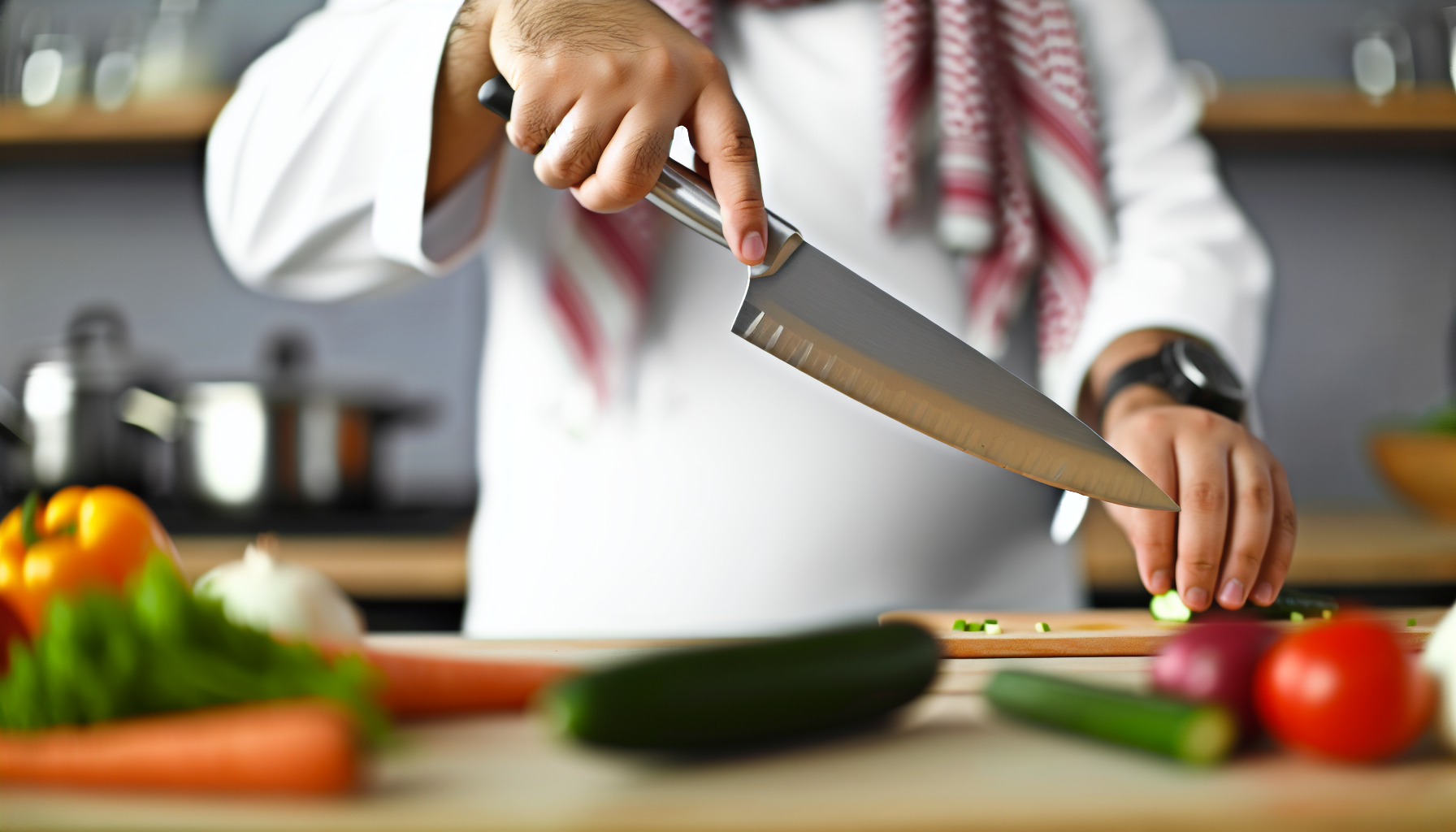
Ever watched a professional chef effortlessly glide through a pile of vegetables, producing perfect, uniform slices in seconds? That mesmerizing dance between blade and cutting board isn’t magic—it’s the result of proper knife skills that anyone can learn. Whether you’re tired of mangled tomatoes or simply want to speed up your meal prep, mastering basic knife techniques will transform your time in the kitchen.
This beginner’s guide breaks down everything you need to know about knife skills, from choosing the right blade to perfecting your cutting technique. By the end, you’ll be chopping, dicing, and mincing with newfound confidence and efficiency.
Why Knife Skills Matter in the Kitchen
Before diving into techniques, it’s worth understanding why knife skills deserve your attention. Good knife work isn’t just about looking professional—it directly impacts your cooking results and kitchen safety.
When ingredients are cut uniformly, they cook evenly. That means no more partially raw onion chunks mixed with burnt pieces. Proper knife technique also makes cooking faster and more enjoyable, turning tedious prep work into a satisfying rhythm. Perhaps most importantly, confident knife skills are actually safer than tentative, awkward chopping that can lead to slips and cuts.
Choosing Your Kitchen Knives
You don’t need a complete knife block to get started. In fact, most home cooks can handle nearly every task with just three essential knives.
The Essential Three Knives
- Chef’s Knife (8-inch): Your kitchen workhorse for chopping vegetables, slicing meat, and general prep work. The broad blade and curved edge allow for the rocking motion that defines efficient chopping.
- Paring Knife (3-4 inch): Perfect for detailed work like peeling, trimming, and small precise cuts. Think of it as your scalpel for delicate tasks.
- Serrated Bread Knife: Essential for slicing bread, tomatoes, and other items with tough exteriors and soft interiors without crushing them.
When shopping for knives, don’t be swayed by expensive sets. A single high-quality chef’s knife that feels comfortable in your hand is worth more than a dozen mediocre blades. Visit a kitchen store if possible and actually hold different knives—the right one should feel balanced and natural, like an extension of your arm.
The Foundation: How to Hold a Knife Properly
The way you grip your knife determines your control, speed, and safety. Most beginners make the mistake of gripping the handle too far back, which reduces precision and tire out your hand quickly.
The Pinch Grip
Professional chefs use what’s called the pinch grip, and once you get used to it, you’ll never go back. Here’s how:
- Pinch the blade itself (not the handle) between your thumb and the side of your index finger, right where the blade meets the handle.
- Wrap your remaining three fingers around the handle.
- Keep your wrist straight and relaxed—tension creates fatigue and reduces control.
This grip might feel awkward at first, but it gives you maximum control over the blade’s movement and allows the knife to become a true extension of your hand. Practice the grip while the knife is stationary until it feels natural.
Protecting Your Fingers: The Claw Technique
Your non-knife hand is just as important as your cutting hand. The claw technique protects your fingertips while guiding the blade for consistent cuts.
Curl your fingertips inward like a claw, keeping your knuckles forward. Your knuckles should be the closest part of your hand to the blade, acting as a guide. The flat side of the knife blade rests gently against your knuckles as you cut, making it physically impossible to cut your fingertips. As you slice, move your claw hand backward incrementally to control the thickness of each cut.
This technique feels unnatural initially, but it’s the single most important safety habit you can develop. Practice slowly until the motion becomes automatic.
Essential Cutting Techniques
Now that you’ve got the proper grip and safety technique down, let’s explore the fundamental cuts every home cook should master.
The Rock Chop
This is your bread-and-butter technique for herbs, vegetables, and most everyday chopping. The tip of the knife stays on the cutting board while the heel rocks up and down in a smooth motion. Your guiding hand moves the ingredient through the blade while your knife hand maintains the rhythmic rocking. This technique is efficient, safe, and satisfying once you find your rhythm.
The Slice
For items like cooked meat or large vegetables, a smooth slicing motion works best. Draw the knife through the ingredient in one fluid motion from heel to tip, letting the blade do the work rather than applying downward pressure. Think of it like playing a violin bow rather than hammering a nail.
The Cross Chop
When you need to mince garlic or herbs finely, the cross chop technique is your friend. Keep the tip of your knife on the board with your non-cutting hand, then rapidly chop back and forth across the ingredient, periodically rotating your pile 90 degrees. The knife tip acts as a pivot point while the blade fans across the food.
Common Cuts Every Cook Should Know
Understanding these standard cuts helps you follow recipes and ensures even cooking.
Dice
Dicing creates small cubes and comes in three sizes: small (1/4 inch), medium (1/2 inch), and large (3/4 inch). To dice an onion, halve it through the root, make horizontal cuts parallel to the board (not cutting through the root), then vertical cuts, and finally slice across to create uniform cubes. The root holds everything together until the final cuts.
Mince
Even smaller than a small dice, mincing creates tiny pieces perfect for garlic, ginger, and fresh herbs. Use the cross chop technique and continue until the pieces are as fine as you need.
Julienne
These are thin matchstick cuts, typically about 1/8 inch thick and 2 inches long. They’re perfect for stir-fries and salads. Start by cutting a thin slice off one side of the vegetable to create a stable base, then cut thin planks, stack them, and slice into thin strips.
Chiffonade
This technique creates delicate ribbons, ideal for leafy herbs and greens. Stack the leaves, roll them tightly like a cigar, and slice across the roll to create thin strips that unfurl into elegant ribbons.
Knife Maintenance: Keep Your Blades Sharp
A sharp knife is a safe knife—it sounds counterintuitive, but it’s true. Dull blades require more pressure and are more likely to slip, while sharp knives cut cleanly with minimal force.
Honing vs. Sharpening
Many people confuse these two processes. Honing realigns the edge of your blade and should be done regularly—even before each use. Use a honing steel by holding it vertically and drawing the blade down and across at a 15-20 degree angle on each side, about five strokes per side.
Sharpening actually removes metal to create a new edge. This only needs to happen every few months for home cooks. You can use a whetstone, an electric sharpener, or take your knives to a professional sharpening service.
Storage and Care
Never toss your knives loose in a drawer where they bang against other utensils. Use a knife block, magnetic strip, or blade guards. Always hand wash and dry your knives immediately—dishwashers dull blades and can damage handles. Store them properly and they’ll last for decades.
Practice Exercises to Build Your Skills
Like any skill, knife work improves with deliberate practice. Here are some exercises to build muscle memory and confidence.
- The Onion Challenge: Dice three onions, focusing on uniform size and consistent technique. Time yourself and note your improvement over several sessions.
- Herb Bundle: Chiffonade a bunch of basil. The delicate leaves provide feedback on your blade’s sharpness and the gentleness of your technique.
- Carrot Coins: Slice carrots into coins of equal thickness. Uniform vegetables are your visual feedback for consistency.
- Daily Prep Routine: During regular meal preparation, slow down and focus on proper form rather than speed. Speed will come naturally with time.
Start slowly and prioritize proper technique over speed. Fifteen minutes of focused practice a few times per week will yield noticeable improvements within a month.
Common Mistakes to Avoid
Even with good instruction, beginners often fall into these traps. Being aware of them helps you self-correct.
- Using a dull knife: The most common and dangerous mistake. If you’re pressing hard or the blade slides rather than bites, it’s time to sharpen.
- Cutting on the wrong surface: Glass, marble, and ceramic dull your knives instantly. Stick to wood or plastic cutting boards.
- Rushing before you’re ready: Speed comes from smooth, efficient movements repeated thousands of times. Rushing creates bad habits and increases injury risk.
- Inconsistent cuts: Take time to make pieces the same size. Uneven cuts mean uneven cooking.
- Poor posture: Stand comfortably with the cutting board at a height that doesn’t make you hunch. Your shoulders should be relaxed.
Safety Tips for Confident Cutting
Respect your knives and they’ll serve you well. Follow these safety guidelines every time you cook.
- Always use a stable cutting board—place a damp towel underneath if it slides.
- Cut away from your body and keep your free hand behind the blade.
- Keep your workspace organized and uncluttered.
- Pay attention—distractions lead to accidents.
- If a knife falls, let it fall. Never try to catch it.
- Clean up immediately if you break glass near your cutting area.
- Use the right knife for the job rather than forcing a blade to do something it wasn’t designed for.
Conclusion
Mastering knife skills transforms cooking from a chore into a pleasure. With the right knives, proper technique, and consistent practice, you’ll soon be prepping ingredients with the confidence and efficiency of a professional chef. Start with the basics—the pinch grip, claw technique, and rock chop—and build from there. Remember that every expert chef once struggled with their first onion, and speed naturally follows good form. Pick up your knife, practice these techniques, and watch your cooking skills soar to new heights.

Leave a Reply