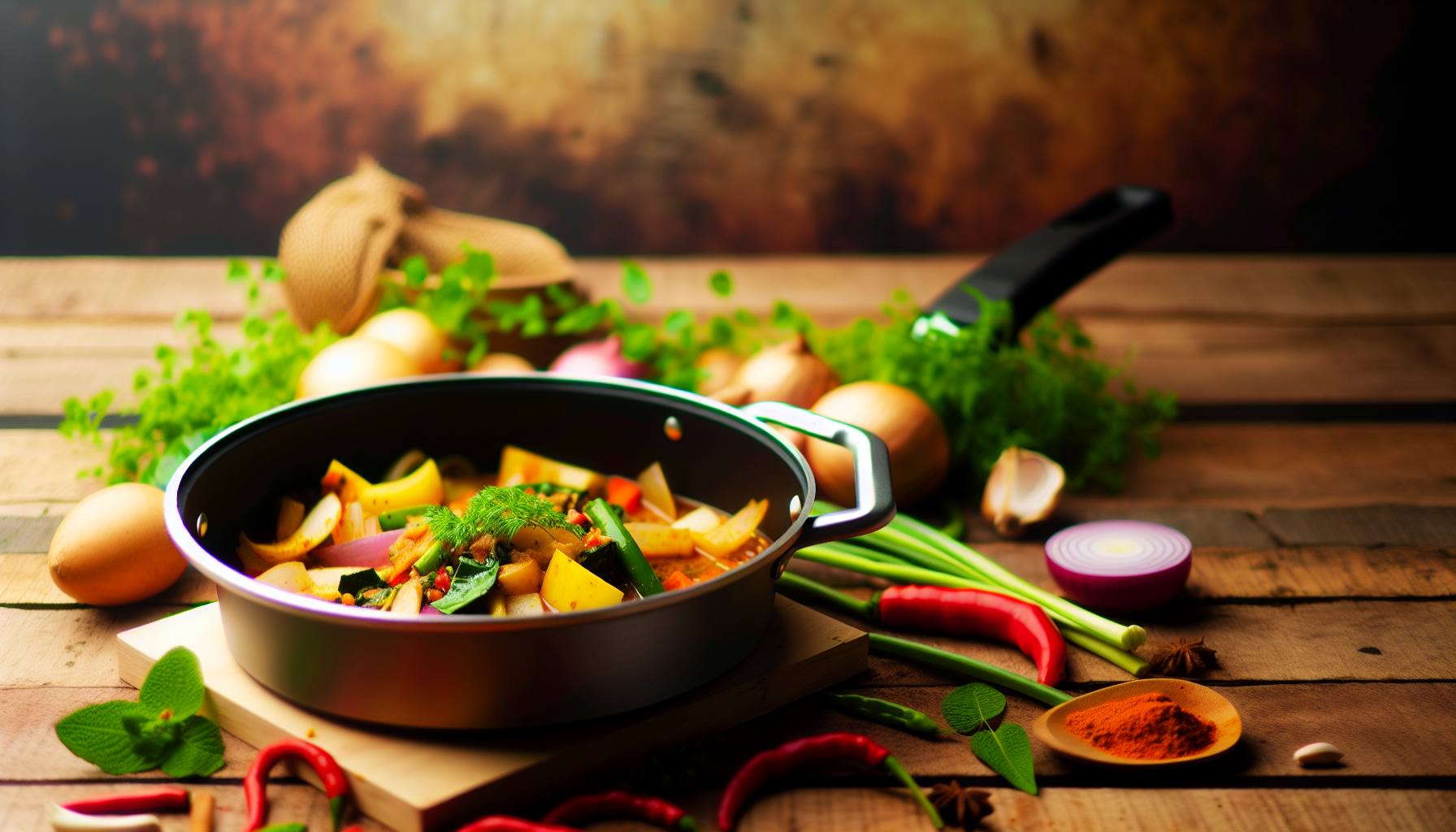
After a long day, the last thing anyone wants is a mountain of pots, pans, and dishes waiting in the sink. One-pot meals solve this problem beautifully, delivering delicious, satisfying dinners with just a single vessel to clean. Whether you’re a busy parent, a working professional, or simply someone who values efficiency in the kitchen, these recipes will transform your weeknight cooking routine.
The beauty of one-pot cooking goes beyond convenience. These meals often develop deeper, more complex flavors as ingredients simmer together, creating dishes that taste like they required far more effort than they actually did. Let’s explore how to master this time-saving approach to cooking.
Why One-Pot Meals Work So Well
One-pot cooking isn’t just a trendy shortcut—it’s a method rooted in culinary tradition. From Moroccan tagines to Italian risottos, cultures around the world have perfected the art of building complete meals in a single vessel. The technique works because layers of flavor develop as ingredients cook together, with each component enhancing the others.
When you brown meat in a pot, then build a sauce in the same vessel using those flavorful browned bits on the bottom, you’re practicing the same technique professional chefs use. The starch from pasta or rice thickens broths naturally, vegetables release their juices to create depth, and proteins infuse everything with savory richness.
Practical benefits extend beyond flavor. You’ll save water, reduce cleanup time by up to 75%, and free yourself to focus on other tasks while dinner simmers. Many one-pot meals also reheat beautifully, making them ideal for meal prep and leftovers.
Essential Equipment for One-Pot Success
While you can create one-pot meals with almost any large cooking vessel, certain tools make the process easier and more versatile.
The Dutch Oven
A heavy-bottomed Dutch oven is the workhorse of one-pot cooking. Its thick walls distribute heat evenly, preventing hot spots that cause burning. You can use it on the stovetop to sear and sauté, then transfer it directly to the oven for slow braising. A 5- to 7-quart size handles most family meals comfortably.
Large Skillet or Sauté Pan
A deep skillet with a lid offers versatility for dishes that need more surface area, like paella or stir-fries. Look for one that’s at least 12 inches in diameter and 3 inches deep. Cast iron and stainless steel both work wonderfully, each bringing different advantages to heat retention and responsiveness.
Sheet Pan
Though technically not a pot, sheet pan dinners deserve mention. Roasting proteins and vegetables together on a single rimmed baking sheet creates complete meals with minimal effort and delivers delicious caramelization you can’t achieve with wet cooking methods.
Building Blocks of a Perfect One-Pot Meal
Every successful one-pot dish follows a basic blueprint. Understanding this structure helps you create your own recipes and improvise with whatever ingredients you have on hand.
The Foundation: Aromatics and Fat
Start with aromatic vegetables—onions, garlic, celery, carrots, ginger, or shallots—cooked in a small amount of fat. This creates the flavor base for everything that follows. Olive oil, butter, coconut oil, or rendered fat from meat all work depending on the dish’s flavor profile.
The Protein
Chicken thighs, sausage, ground beef, pork shoulder, white fish, chickpeas, or lentils all make excellent protein choices. Heartier proteins can be browned first to develop color and flavor, while delicate fish might be added near the end. Plant-based proteins like beans bring both protein and starch, creating satisfying, budget-friendly meals.
The Starch
Rice, pasta, potatoes, quinoa, or crusty bread for sopping up juices provide the meal’s satisfying foundation. Many starches can cook directly in the pot, absorbing the cooking liquid and becoming infused with flavor. Short pasta shapes work particularly well, as do medium-grain rice varieties.
The Vegetables
Add vegetables in stages based on their cooking times. Hearty root vegetables go in early with the protein, while tender greens like spinach or peas get stirred in during the final minutes. This ensures everything finishes cooking at the same time without any component turning to mush.
The Liquid
Broth, wine, coconut milk, crushed tomatoes, or even water provides moisture for cooking and becomes the sauce. The amount varies depending on whether you’re making a soup, stew, or a drier dish where the liquid mostly evaporates or gets absorbed.
Ten Foolproof One-Pot Meals to Try Tonight
These recipes represent different cuisines and cooking methods, proving that one-pot cooking never means boring or repetitive meals.
Chicken and Rice with Lemon and Herbs
Brown chicken thighs skin-side down, remove them, then sauté onions and garlic in the rendered fat. Add rice, chicken broth, lemon zest, and fresh thyme. Nestle the chicken back in, cover, and simmer until the rice is tender and the chicken is cooked through. Finish with fresh parsley and lemon juice for brightness.
Sausage and White Bean Stew
Slice Italian sausage and brown it in a Dutch oven. Add diced onions, carrots, and celery, then canned white beans, tomatoes, and chicken broth. Season with rosemary and bay leaf. Simmer for 30 minutes until the vegetables are tender and the flavors meld. Stir in kale during the last five minutes.
Shrimp and Chorizo Paella
This Spanish classic looks impressive but requires just one large skillet. Cook chorizo until crispy, then sauté onions, peppers, and garlic in the fat. Add short-grain rice, saffron, and broth. Arrange shrimp and peas on top as the rice becomes tender. Let the bottom form a crispy crust called socarrat for authentic flavor.
Beef and Barley Soup
Brown stew meat in batches, then build a rich broth with beef stock, tomato paste, and Worcestershire sauce. Add pearl barley, carrots, celery, and mushrooms. This hearty soup simmers for about 90 minutes, filling your kitchen with incredible aromas and delivering a meal that tastes even better the next day.
Thai Coconut Curry Noodles
Sauté red curry paste with ginger and garlic, then add coconut milk and broth. Bring to a simmer and add rice noodles, vegetables like bell peppers and snap peas, and your choice of protein. Everything cooks together in under 15 minutes. Finish with lime juice, basil, and crushed peanuts.
Pasta Puttanesca
This bold Italian dish comes together in the time it takes pasta to cook. Sauté garlic and anchovy in olive oil, add tomatoes, olives, capers, and red pepper flakes. Add pasta and enough water to cook it directly in the sauce. The starch released from the pasta creates a silky, clingy sauce that needs no cream or butter.
Moroccan Chicken Tagine
Season chicken with warming spices like cumin, coriander, cinnamon, and turmeric. Brown it, then add onions, preserved lemon, olives, and dried apricots with chicken broth. Simmer until the chicken is fall-apart tender and the sauce is rich and complex. Serve over couscous cooked in the same pot using the flavorful broth.
Vegetarian Chili
Sauté onions, peppers, and garlic with chili powder and cumin. Add three types of canned beans, fire-roasted tomatoes, and vegetable broth. Simmer until thick and flavorful. Top with avocado, cheese, cilantro, and lime. This protein-packed meal costs less than five dollars to make and feeds a crowd.
Lemon Garlic Salmon with Potatoes and Asparagus
Arrange baby potatoes in a skillet with olive oil, lemon slices, and garlic. Roast until nearly tender, then nestle salmon fillets among them and add asparagus. Everything finishes cooking together, creating a complete meal with elegant presentation and minimal effort.
Jambalaya
This Louisiana classic combines sausage, chicken, and shrimp with the holy trinity of Creole cooking: onions, celery, and bell peppers. Add rice, tomatoes, and Creole seasoning. Everything cooks together in layers of flavor that represent the best of one-pot cooking—complex, satisfying, and completely contained in a single Dutch oven.
Tips for One-Pot Success
Even simple cooking methods benefit from a few expert techniques that ensure consistent, delicious results.
- Don’t skip the browning step: When recipes call for searing meat or vegetables first, this isn’t optional. The caramelization creates deep flavor that simmering alone cannot achieve.
- Use the right amount of liquid: Too much creates soupy results, too little causes burning. If you’re unsure, start with less—you can always add more, but you can’t take it away.
- Layer ingredients by cooking time: Add long-cooking items first and quick-cooking ingredients last. This prevents overcooking and ensures everything finishes perfectly.
- Let the pot do the work: Once everything is in and simmering, resist the urge to stir constantly. Many one-pot dishes develop better texture and flavor with minimal interference.
- Finish with fresh elements: A squeeze of lemon, handful of fresh herbs, or drizzle of good olive oil added just before serving brightens flavors and adds complexity.
- Invest in quality cookware: A good pot with a heavy bottom and tight-fitting lid makes the difference between even cooking and hot spots that burn.
- Embrace leftovers: Most one-pot meals taste even better the next day as flavors continue to develop. Make extra and enjoy easy lunches all week.
Common Mistakes to Avoid
Understanding what can go wrong helps you troubleshoot and improve your one-pot cooking skills.
Overcrowding the pot: When too many ingredients compete for space, they steam rather than brown. If you’re doubling a recipe, you may need to work in batches for the initial browning step or use a larger pot.
Using the wrong heat level: Most one-pot cooking happens over medium or medium-low heat after the initial searing. High heat can cause liquid to evaporate too quickly or burn the bottom while leaving the top undercooked.
Adding delicate ingredients too early: Seafood, fresh herbs, and tender greens break down or lose their vibrant character with prolonged cooking. Add them during the final minutes for best results.
Forgetting to taste and adjust: Seasoning evolves as a dish cooks and liquid reduces. Always taste before serving and adjust salt, acid, or spices as needed.
Adapting Recipes for Different Diets
One-pot meals easily adapt to accommodate various dietary needs and preferences without requiring separate cooking vessels or complicated substitutions.
For vegetarian versions, replace meat with hearty vegetables like mushrooms, eggplant, or cauliflower, or use plant-based proteins like tofu, tempeh, or extra beans. Vegetable broth substitutes for chicken or beef stock seamlessly.
Gluten-free adaptations often require only simple swaps: use rice instead of pasta, or choose certified gluten-free grains like quinoa. Many one-pot meals are naturally gluten-free already, especially those based on rice, potatoes, or polenta.
Low-carb enthusiasts can replace starches with cauliflower rice, spiralized vegetables, or simply increase the proportion of protein and non-starchy vegetables. The cooking method remains the same, just the ingredients shift.
Dairy-free cooking presents few challenges since most one-pot meals don’t rely heavily on cheese or cream. When recipes do call for dairy, coconut milk, cashew cream, or nutritional yeast often provide satisfying alternatives.
Meal Prep and Batch Cooking
One-pot meals shine brightest when you prepare them in advance. Their consolidated cooking method makes them perfect candidates for weekend batch cooking that sets you up for effortless weeknight dinners.
Most stews, soups, and braises actually improve after a day or two in the refrigerator as flavors meld and deepen. Prepare two or three different one-pot meals on Sunday, portion them into containers, and you’ll have diverse, homemade dinners ready to reheat all week.
Many one-pot dishes also freeze beautifully. Cool completely, then portion into freezer-safe containers, leaving a bit of headspace for expansion. Label with the name and date. Most frozen one-pot meals keep for three months and can be thawed overnight in the refrigerator or reheated directly from frozen.
When reheating, you may need to add a splash of water or broth to restore the proper consistency, as starches continue absorbing liquid even during storage. A quick stir over medium heat brings everything back to life.
Conclusion
One-pot meals represent more than just a cleanup shortcut—they’re a pathway to stress-free cooking that delivers maximum flavor with minimum effort. By mastering a few basic techniques and understanding how ingredients work together, you’ll find yourself improvising delicious dinners using whatever your pantry and refrigerator have to offer. Start with one recipe this week, and you’ll soon wonder why you ever used more than one pot in the first place. Your future self, standing in front of an empty sink instead of a mountain of dishes, will thank you.

Leave a Reply