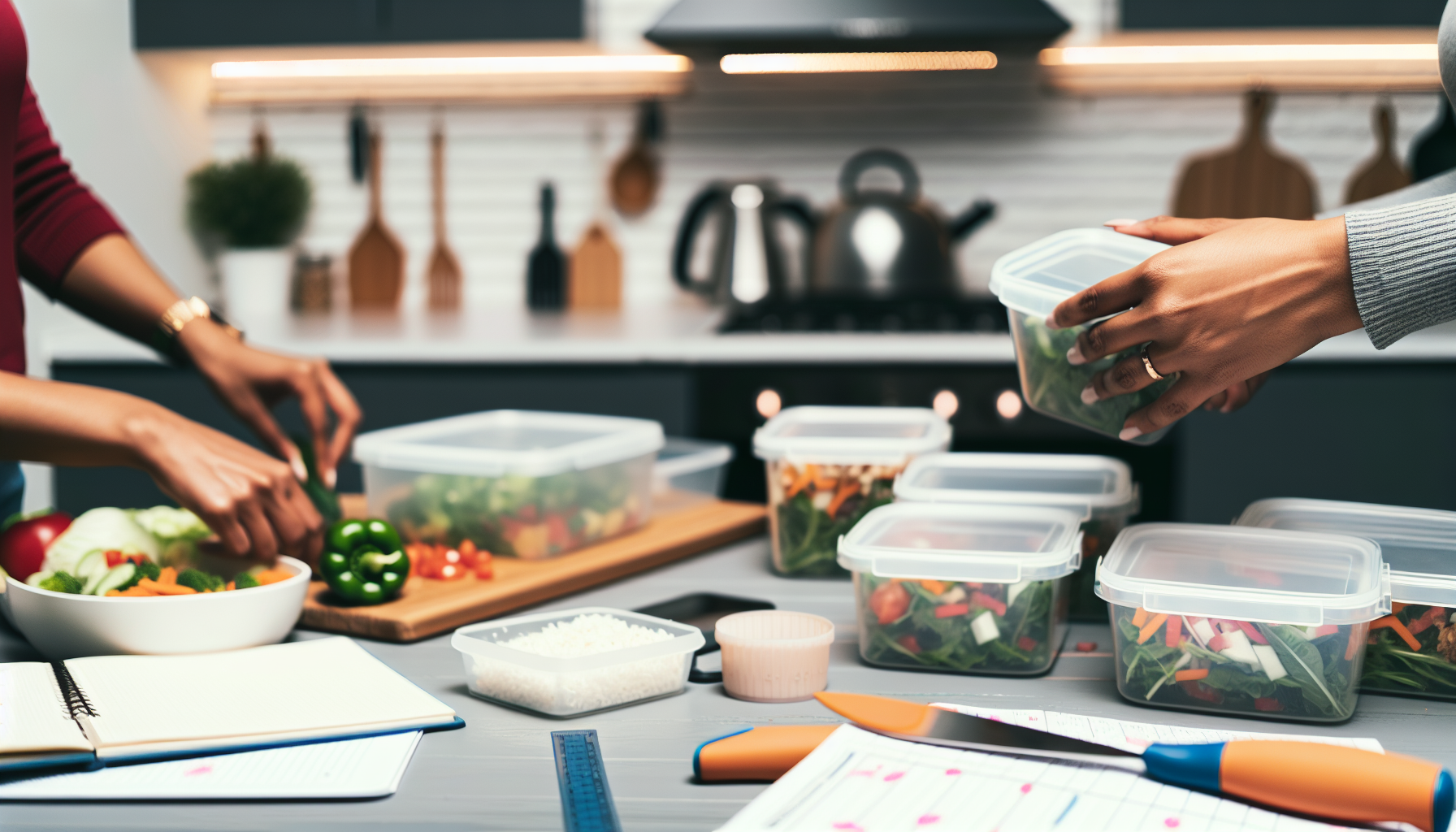
If you’re a busy professional, you know the struggle: long work hours, endless meetings, and by the time you get home, the last thing you want to do is figure out what’s for dinner. This is where meal prep becomes your secret weapon. With just a few hours on the weekend, you can set yourself up for an entire week of healthy, delicious meals that save you time, money, and stress.
Meal prepping isn’t about eating the same bland chicken and rice every day. It’s about smart planning, efficient cooking, and creating variety that keeps your taste buds happy while supporting your health goals. Let’s break down exactly how to make meal prep work for your busy lifestyle.
Why Meal Prep Is a Game-Changer for Professionals
Before diving into the how-to, it’s worth understanding why meal prep is particularly valuable for those with demanding careers. When you’re juggling deadlines and responsibilities, food decisions often take a backseat, leading to expensive takeout, unhealthy convenience foods, or skipped meals altogether.
Meal prepping solves multiple problems at once. You’ll save an average of 3-4 hours during the week by cooking in batches. You’ll spend less money since buying ingredients in bulk and cooking at home is significantly cheaper than daily restaurant meals. Most importantly, you’ll have complete control over what goes into your body, making it easier to maintain energy levels and focus throughout your workday.
Getting Started: Essential Tools and Containers
You don’t need a fancy kitchen to meal prep successfully, but having the right tools makes the process smoother and more enjoyable.
Must-Have Equipment
- Quality food storage containers: Invest in glass or BPA-free plastic containers with tight-sealing lids. Look for compartmentalized options if you want to keep different foods separated.
- Sheet pans: At least two large rimmed baking sheets for roasting multiple ingredients simultaneously.
- A good chef’s knife: Chopping vegetables is half the battle, and a sharp knife makes it faster and safer.
- Large pots and pans: You’ll be cooking in bigger batches, so make sure you have the capacity.
- Mason jars: Perfect for salads, overnight oats, and storing sauces or dressings.
Container Strategy
Choose containers based on how you plan to eat. If you’ll be microwaving at the office, ensure they’re microwave-safe. Glass containers are ideal because they don’t absorb odors, can go from fridge to oven, and are environmentally friendly. Aim for a variety of sizes: larger containers for full meals, medium for sides or snacks, and small for sauces and dressings.
Planning Your Meal Prep Session
The difference between successful meal prep and a chaotic kitchen mess comes down to planning. Treat your meal prep session like an important meeting you wouldn’t cancel.
Step 1: Choose Your Recipes
Start with 3-4 recipes that share some common ingredients. This approach minimizes waste and simplifies your grocery shopping. For example, if you’re buying spinach, use it in a breakfast frittata, a lunch salad, and a dinner stir-fry.
Look for recipes that store well and actually taste good reheated. Soups, stews, grain bowls, casseroles, and roasted vegetables are all excellent candidates. Avoid foods that get soggy quickly unless you’re using smart separation techniques.
Step 2: Make a Detailed Grocery List
Once you’ve selected your recipes, create a comprehensive shopping list organized by store section. This saves time wandering the aisles and helps ensure you don’t forget crucial ingredients. Check your pantry first to avoid buying duplicates of staples you already have.
Step 3: Block Out Time
Most people find that Sunday afternoon or evening works best for meal prep, but choose whatever day fits your schedule. Block out 2-4 hours depending on how many meals you’re preparing. Put it in your calendar and treat it as non-negotiable time.
The Meal Prep Process: A Step-by-Step Workflow
Efficiency is everything when you’re spending several hours in the kitchen. Following a logical sequence prevents you from waiting around and helps you multitask effectively.
Start With Prep Work
Begin by washing all your produce and laying out your ingredients. Chop all vegetables at once, even if they’re for different recipes. Mince garlic, dice onions, and slice peppers in one focused session. This assembly-line approach is much faster than stopping to chop ingredients for each individual recipe.
Cook in Strategic Order
- Start anything that takes the longest: If you’re making a slow-cooker meal or cooking dried beans, get those going first.
- Get your oven working: Roast vegetables, bake proteins, or cook casseroles while you work on stovetop items.
- Cook grains and proteins: Rice, quinoa, pasta, and proteins like chicken breast or tofu can cook while you’re doing other tasks.
- Prepare quick items last: Salads, overnight oats, and simple snacks should be assembled when heavier cooking is done.
Use Every Appliance
Maximize your efficiency by having multiple things cooking at once. Your oven can roast vegetables, your stovetop can simmer a soup, your rice cooker can handle grains, and your slow cooker can work on a protein. This parallel processing dramatically cuts down total time.
Meal Prep Formulas for Busy Professionals
Instead of following rigid recipes, think in terms of flexible formulas that you can customize based on your preferences and what’s on sale.
The Power Bowl Formula
Power bowls are incredibly versatile and never get boring if you mix up the components. The basic formula: base + protein + vegetables + healthy fat + sauce.
- Base: Brown rice, quinoa, farro, mixed greens, or cauliflower rice
- Protein: Grilled chicken, baked salmon, chickpeas, tofu, hard-boiled eggs, or ground turkey
- Vegetables: Roasted sweet potatoes, steamed broccoli, sautéed peppers, raw cucumber, shredded carrots
- Healthy fat: Avocado, nuts, seeds, or a drizzle of olive oil
- Sauce: Tahini dressing, pesto, teriyaki, salsa, or vinaigrette
Prep each component separately and mix and match throughout the week. Store sauces separately to prevent sogginess.
The Mason Jar Salad
Layering is the secret to crisp, fresh salads that last all week. Start with dressing at the bottom, then add sturdy vegetables, proteins, grains, softer vegetables, and greens at the top. When you’re ready to eat, shake it up and pour it into a bowl.
The Breakfast Prep
Mornings are chaotic enough without cooking decisions. Try these make-ahead options:
- Overnight oats with different toppings for variety
- Egg muffins or frittatas you can grab and microwave
- Chia pudding parfaits
- Freezer-friendly breakfast burritos
- Homemade granola with yogurt
Smart Storage and Food Safety
Proper storage extends the life of your prepped meals and keeps you safe from foodborne illness.
Refrigerator Guidelines
Most cooked meals stay fresh in the refrigerator for 3-4 days. If you’re prepping for a full week, consider freezing meals you won’t eat in the first few days. Label containers with the date prepared and contents, especially if you’re making multiple recipes.
Keep your refrigerator at or below 40°F and store prepped meals on shelves rather than in the door, where temperature fluctuates more. Cool hot foods to room temperature before refrigerating, but don’t leave them out for more than two hours.
Freezer-Friendly Options
Many meal prep recipes freeze beautifully. Soups, stews, casseroles, cooked grains, and most proteins freeze well for 2-3 months. Freeze in individual portions for easy thawing. Avoid freezing foods with high water content like lettuce, cucumber, or cream-based sauces, which separate when thawed.
Avoiding Meal Prep Burnout
The biggest threat to sustainable meal prep isn’t time or skill—it’s boredom. Here’s how to keep things interesting.
Embrace Theme Nights
Instead of eating identical meals, create themed variations. Mexican Monday might feature burrito bowls, while Wednesday could be Mediterranean with grain bowls topped with falafel and tzatziki. The core components might be similar, but different seasonings and toppings create variety.
Prep Components, Not Just Complete Meals
Sometimes prepping individual components gives you more flexibility than complete meals. Cook a batch of protein, roast vegetables, prepare grains, and make 2-3 sauces. Then combine them differently each day based on what sounds good.
Keep a Backup Plan
Life happens, and sometimes you won’t have time for your full prep session. Keep quick-cooking proteins like eggs or canned beans on hand, along with frozen vegetables and pre-cooked grains. A semi-homemade meal is still better than defaulting to takeout.
Time-Saving Tips for Maximum Efficiency
Once you’ve mastered the basics, these advanced strategies will shave even more time off your prep sessions.
- Buy pre-chopped vegetables: Yes, they cost more, but if it’s the difference between meal prepping and not, they’re worth it.
- Use your grocery store’s rotisserie chicken: A cooked chicken gives you ready-to-use protein for multiple meals.
- Double recipes: When cooking dinner during the week, make double and incorporate leftovers into your next prep session.
- Batch cook one ingredient: If full meal prep feels overwhelming, start by just prepping one thing—like cooking all your protein for the week.
- Clean as you go: Loading the dishwasher between tasks prevents end-of-session cleanup overwhelm.
Sample Week of Meal Prep for Professionals
Here’s what a realistic week might look like, requiring about 3 hours of Sunday prep time.
Breakfast: Overnight oats (five jars with different toppings: berries and almonds, banana and peanut butter, apple and cinnamon, chocolate and coconut, tropical with mango and macadamia)
Lunch: Mediterranean grain bowls with quinoa, roasted chickpeas, cucumber, cherry tomatoes, red onion, feta, and lemon-tahini dressing
Dinner Option 1: Baked salmon with roasted broccoli and sweet potato
Dinner Option 2: Turkey chili with a side salad
Snacks: Cut vegetables with hummus, mixed nuts, hard-boiled eggs, Greek yogurt with granola
This gives you variety without requiring you to cook every single day, and the components can be mixed and matched if you get tired of the combinations.
Troubleshooting Common Meal Prep Challenges
Problem: Food Gets Boring by Day Four
Solution: Prep foundations but vary the flavors. Keep several different sauces and seasonings on hand. The same grilled chicken tastes completely different with pesto versus teriyaki versus buffalo sauce.
Problem: Vegetables Get Soggy
Solution: Store wet and dry ingredients separately. Keep dressings in small containers and add them just before eating. For salads, use the mason jar method. Roasted vegetables hold up better than steamed ones.
Problem: No Time on Weekends
Solution: Try micro-prepping on weeknights. Spend 20 minutes each evening prepping the next day’s meals, or do a smaller prep session mid-week to refresh your options.
Problem: Running Out of Container Space
Solution: Stack containers efficiently by using uniform sizes. Consider eating one or two meals fresh and only prepping 3-4 days ahead. Freeze half your batch if you’re making large quantities.
Conclusion
Meal prepping for busy professionals isn’t about perfection—it’s about progress. Start small with just one or two meals per week, and gradually increase as you get more comfortable with the process. The time you invest on the weekend pays dividends throughout your week in the form of healthier eating, more money in your pocket, and less daily stress. Remember, even prepping half your meals is better than prepping none. Find the system that works for your schedule and taste preferences, and adjust as you go. Your future self will thank you every time you open the fridge to find a delicious, ready-to-eat meal waiting.

Leave a Reply