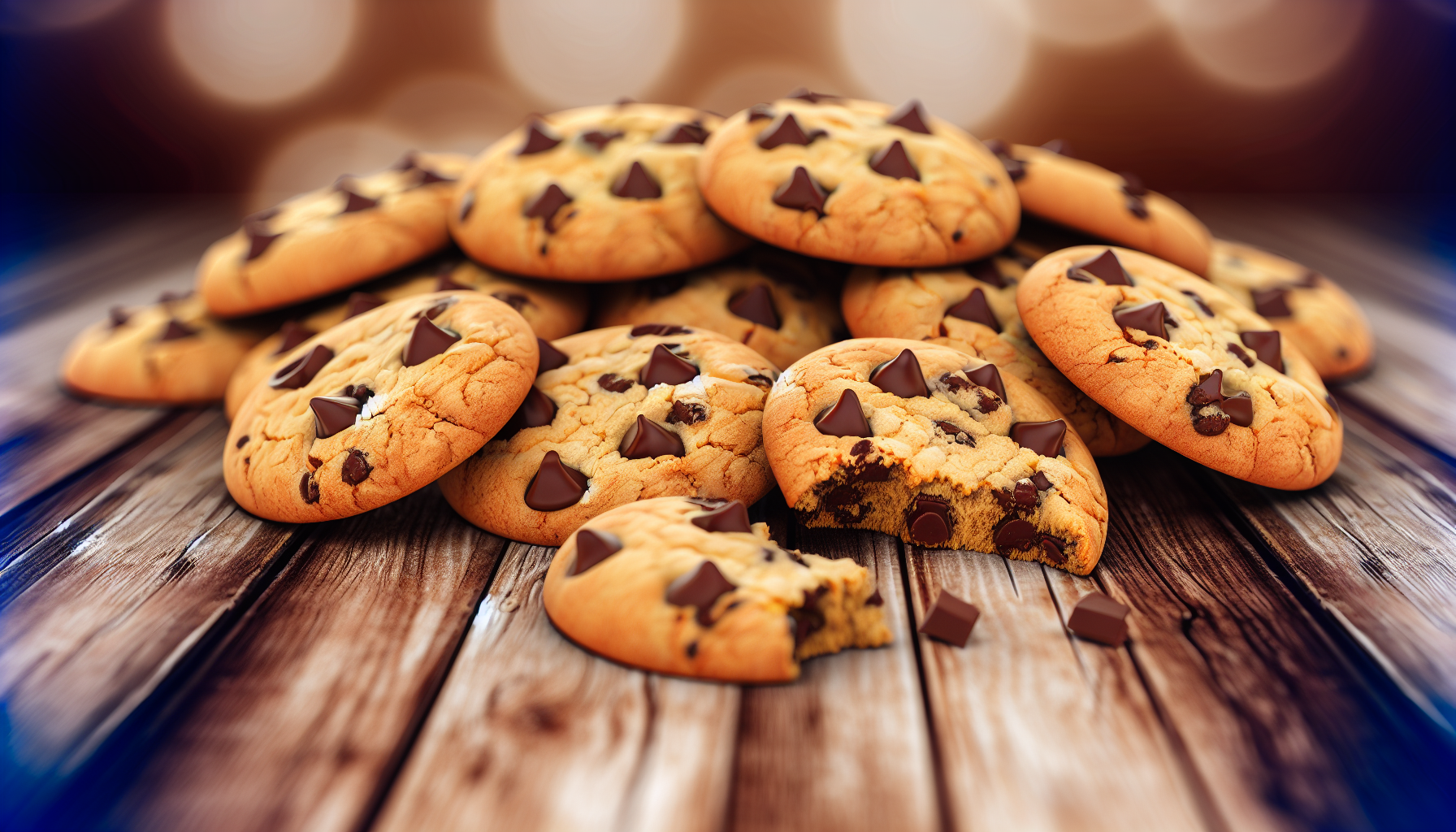
There’s something magical about a perfectly baked chocolate chip cookie: crispy edges, a chewy center, and pools of melted chocolate in every bite. Yet despite using the same recipe, home bakers often end up with flat, greasy discs one day and dry, cakey pucks the next. The secret to consistency isn’t luck—it’s understanding the science and technique behind every step.
Whether you’re a beginner or a seasoned baker, this guide will walk you through everything you need to know to bake perfect chocolate chip cookies every single time. From ingredient temperature to oven placement, we’ll cover the details that make all the difference.
Why Your Cookies Turn Out Different Every Time
Before we dive into the recipe, it’s important to understand what causes inconsistent results. Cookie baking is a delicate balance of chemistry and physics. Small variations in butter temperature, flour measurement, or oven heat can dramatically change your outcome.
The most common culprits behind cookie fails include:
- Butter that’s too soft or too cold
- Incorrectly measured flour (usually too much)
- Skipping the chilling step
- Oven temperature inconsistencies
- Opening the oven door too early
- Using expired baking soda or baking powder
Once you learn to control these variables, you’ll achieve consistent, bakery-quality results at home.
Essential Ingredients and Why They Matter
Every ingredient in a chocolate chip cookie plays a specific role. Understanding their functions helps you troubleshoot problems and even customize your recipe.
Butter: The Foundation of Flavor and Texture
Butter should be at room temperature—soft enough to leave an indent when pressed but still holding its shape. This typically means 65-67°F. Butter that’s too soft will cause cookies to spread too much and become greasy. Butter that’s too cold won’t incorporate properly, leading to dense, cakey cookies.
For richer flavor, try browning your butter and letting it cool back to room temperature. This adds a nutty, caramelized depth that elevates a basic recipe.
Sugar: More Than Just Sweetness
Most chocolate chip cookie recipes use a combination of white and brown sugar. White sugar promotes spreading and creates crispy edges, while brown sugar (which contains molasses) adds moisture and chewiness. The ratio between these two sugars determines your cookie’s final texture.
For chewier cookies, use more brown sugar. For crispier cookies, increase the white sugar. A 50-50 split provides a balanced texture.
Flour: The Structural Element
All-purpose flour is standard, but how you measure it matters enormously. Scooping flour directly from the bag compacts it, leading to 20-30% more flour than the recipe intends. This creates dry, tough cookies.
Always use the spoon-and-level method: fluff the flour in its container, spoon it into your measuring cup, and level it off with a knife. Better yet, weigh your flour—120 grams per cup is the standard conversion.
Eggs: Binding and Moisture
Eggs should be at room temperature for better incorporation. Cold eggs can cause the butter to re-solidify, creating an uneven dough. Let eggs sit out for 30 minutes, or place them in warm water for 5 minutes before using.
Leavening Agents: Baking Soda vs. Baking Powder
Baking soda creates spread and browning, while baking powder provides lift. Most recipes use baking soda, which reacts with the brown sugar’s acidity. Always check expiration dates—old leavening agents lose potency and won’t work properly.
Chocolate Chips: The Star of the Show
Use high-quality chocolate chips or chunks. Semi-sweet is traditional, but dark chocolate adds sophistication while milk chocolate brings sweetness. For professional-looking cookies, add a few extra chocolate pieces on top of each dough ball before baking.
The Perfect Chocolate Chip Cookie Recipe
Here’s a tested recipe that delivers consistent results. This makes approximately 24 cookies.
Ingredients:
- 2¼ cups (270g) all-purpose flour
- 1 teaspoon baking soda
- 1 teaspoon salt
- 1 cup (2 sticks/226g) unsalted butter, at room temperature
- ¾ cup (150g) granulated sugar
- ¾ cup (165g) packed brown sugar
- 2 large eggs, at room temperature
- 2 teaspoons vanilla extract
- 2 cups (340g) chocolate chips or chunks
Step-by-Step Instructions for Perfect Cookies
Step 1: Prepare Your Dry Ingredients
Whisk together the flour, baking soda, and salt in a medium bowl. Set aside. This ensures even distribution of the leavening and seasoning throughout your dough.
Step 2: Cream the Butter and Sugars
In a large bowl or stand mixer, beat the room-temperature butter with both sugars for 3-4 minutes until light and fluffy. This incorporates air, creating a lighter texture. The mixture should be noticeably paler and increased in volume.
Don’t rush this step. Proper creaming is crucial for texture.
Step 3: Add Eggs and Vanilla
Beat in the eggs one at a time, mixing well after each addition. Add the vanilla extract. The mixture might look slightly curdled—this is normal and will come together when you add the flour.
Step 4: Incorporate the Flour Mixture
Add the dry ingredients to the wet ingredients in two or three additions, mixing on low speed just until no flour streaks remain. Overmixing develops gluten, which creates tough, cakey cookies. Stop mixing as soon as the flour is incorporated.
Step 5: Fold in the Chocolate
Use a spatula to gently fold in the chocolate chips. This is also a good time to mix in any additional add-ins like nuts, toffee bits, or sea salt flakes.
Step 6: Chill the Dough (Critical Step)
Cover the dough and refrigerate for at least 2 hours, or up to 72 hours. This is the most important step that home bakers skip—and the reason their cookies don’t turn out right.
Chilling accomplishes several things:
- Solidifies the butter, preventing excessive spreading
- Allows flour to hydrate fully, improving texture
- Develops deeper, more complex flavors
- Creates thicker, chewier cookies with better structure
For the absolute best flavor, chill the dough for 24-36 hours. The difference is remarkable.
Step 7: Shape and Prepare for Baking
Preheat your oven to 350°F (175°C). Line baking sheets with parchment paper—never use greased pans, which cause excessive spreading.
Scoop the dough into balls using a cookie scoop or spoon (about 2 tablespoons each). For uniform cookies, weigh each portion—45-50 grams is ideal. Place dough balls at least 3 inches apart on the baking sheet, as they will spread.
For extra-thick cookies, chill the shaped dough balls in the freezer for 15 minutes before baking.
Step 8: Bake to Perfection
Bake for 11-13 minutes, until the edges are golden brown but the centers still look slightly underdone. The cookies will look puffy and soft—this is exactly what you want.
They will continue to bake on the hot pan after removal from the oven. If you wait until they look done in the oven, they’ll be overbaked once cooled.
Step 9: The Crucial Cooling Period
Let cookies cool on the baking sheet for 5 minutes, then transfer to a wire rack. During those first 5 minutes, the cookies set their structure while remaining soft in the center.
If you want perfectly round cookies, use a large circular cookie cutter or glass to gently swirl around each cookie immediately after removing from the oven. This corrals any irregular edges into a perfect circle.
Troubleshooting Common Cookie Problems
Flat, Greasy Cookies
Your butter was too warm, you used too much sugar, or you skipped chilling the dough. Ensure butter is properly tempered and always chill your dough.
Thick, Cakey Cookies
You used too much flour, overmixed the dough, or your oven temperature was too low. Measure flour carefully and mix just until combined.
Cookies Spread Unevenly
Your baking sheet was too hot from a previous batch, or your dough balls weren’t uniform in size. Always use room-temperature pans and measure your dough portions.
Burnt Bottoms, Raw Centers
Your oven runs hot, or you’re baking on a dark pan. Use an oven thermometer to verify temperature and opt for light-colored aluminum pans.
Cookies Stick to the Pan
Always use parchment paper or silicone baking mats. These provide non-stick surfaces without adding extra grease that can affect spreading.
Pro Tips for Bakery-Quality Cookies
Once you’ve mastered the basics, these professional techniques will take your cookies to the next level:
- Use a kitchen scale: Weight measurements are far more accurate than volume
- Add flaky sea salt: Sprinkle on top before baking for a sophisticated sweet-salty contrast
- Rotate the pan halfway through: This ensures even baking, especially in ovens with hot spots
- Underbake slightly: Always err on the side of underdone for chewier cookies
- Bang the pan: Drop the baking sheet on the counter once or twice during baking to create rippled edges and concentrated chocolate pools
- Experiment with chocolate: Mix different types (dark, milk, semi-sweet) for complex flavor
- Try the freezer method: Freeze shaped dough balls and bake directly from frozen, adding 1-2 minutes to baking time
Storage and Make-Ahead Tips
Proper storage keeps your cookies fresh and delicious for days.
Room Temperature: Store baked cookies in an airtight container at room temperature for up to 5 days. Add a slice of bread to the container to keep them soft—the cookies will absorb moisture from the bread.
Freezing Baked Cookies: Freeze in a single layer, then transfer to a freezer bag. They’ll keep for up to 3 months. Thaw at room temperature for 20 minutes.
Freezing Cookie Dough: This is the ultimate make-ahead strategy. Freeze shaped dough balls on a baking sheet, then transfer to a freezer bag. Bake directly from frozen whenever you want fresh cookies, adding 1-2 minutes to the baking time.
Conclusion
Baking perfect chocolate chip cookies every time isn’t about luck—it’s about understanding ingredients, respecting technique, and controlling variables. Master the fundamentals of proper butter temperature, accurate flour measurement, and adequate chilling time, and you’ll never have to worry about cookie fails again. Now grab your mixing bowl and start baking—your perfect chocolate chip cookie awaits.

Leave a Reply