
Spices are the secret to transforming ordinary dishes into something unforgettable. They add flavor, depth, and aroma, and can even boost nutritional value. But knowing how to use, store, and pair spices can make the difference between a bland meal and one that bursts with flavor.
Here’s your all-in-one guide to mastering spices at home.
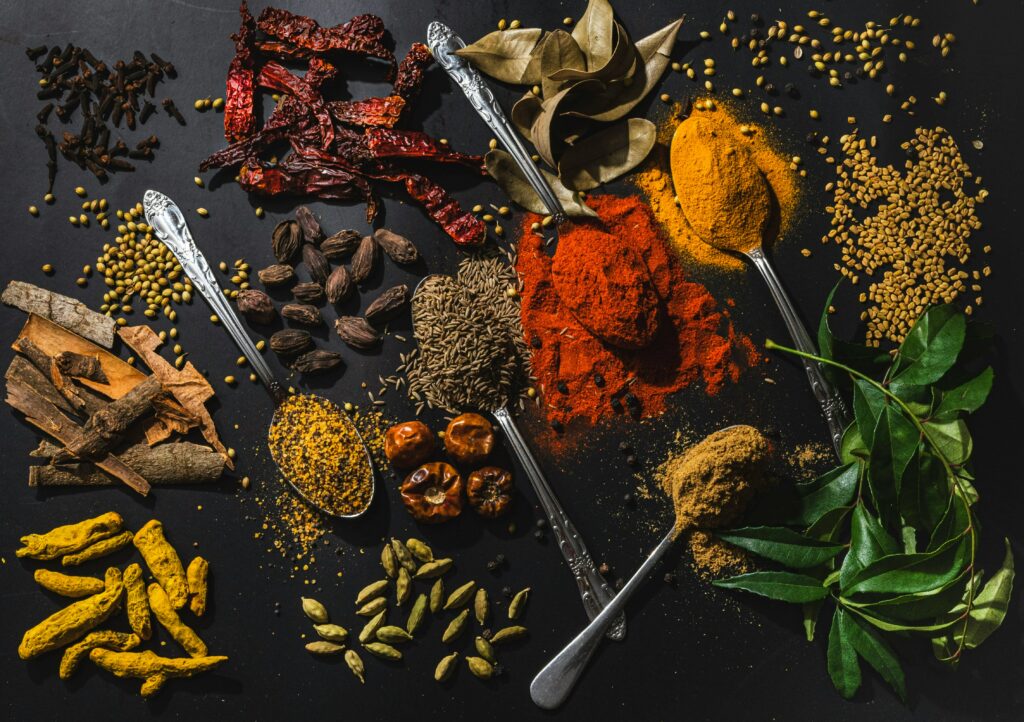
🧂 What Are Spices, Exactly?
Spices are aromatic plant substances used for seasoning food. They come from seeds, roots, bark, fruits, or flowers — unlike herbs, which come from fresh or dried leaves (like basil or parsley).
Examples of spices: cinnamon (bark), cumin (seeds), turmeric (root), paprika (fruit/pepper).
🔥 How to Use Spices
1. Toast Before Using
Lightly heating whole spices in a dry pan releases their essential oils, making them more aromatic.
2. Bloom in Oil
Adding spices to warm oil or butter before other ingredients infuses the fat with flavor, which then spreads throughout the dish.
3. Layer Flavors
Add some spices early in cooking for depth, and finish with fresh spices for brightness.
4. Experiment with Blends
Start with known blends like garam masala, Italian seasoning, or Cajun spice to explore different cuisines.
🗂 Spice Pairing Basics
| Spice | Best Paired With | Common Uses |
|---|---|---|
| Cumin | Chili powder, coriander, paprika | Tacos, curries |
| Cinnamon | Nutmeg, cloves, allspice | Baked goods, tagines |
| Paprika | Garlic powder, cayenne, oregano | Stews, roasted veggies |
| Turmeric | Cumin, black pepper, ginger | Curries, rice |
| Oregano | Basil, thyme, garlic | Italian dishes |
| Cardamom | Cinnamon, cloves, nutmeg | Chai, desserts |
💡 Tip: Black pepper enhances the absorption of turmeric’s active compound (curcumin).
🧴 How to Store Spices for Maximum Freshness
- Keep away from heat and sunlight — store in a cool, dark cabinet.
- Use airtight containers — glass jars with tight lids work best.
- Avoid moisture — don’t shake the spice jar directly over steaming pots.
- Whole spices last longer — grind them fresh as needed for maximum flavor.
Shelf life guidelines:
- Ground spices: 6–12 months
- Whole spices: 2–3 years
🧪 How to Tell If Your Spices Are Still Good
- Smell: If the aroma is weak or stale, it’s time to replace.
- Color: Faded color means diminished potency.
- Taste: A small pinch should have a strong, distinct flavor.
🍲 Spice Pairing by Cuisine
- Italian: Basil, oregano, rosemary, thyme, garlic powder
- Mexican: Cumin, chili powder, oregano, paprika
- Indian: Turmeric, cumin, coriander, cardamom, cloves
- Middle Eastern: Sumac, cinnamon, cumin, coriander
- Asian: Star anise, ginger, garlic powder, five-spice powder
🧠 Final Thoughts
Spices are one of the easiest and cheapest ways to elevate your cooking. With proper storage, smart pairing, and a little experimentation, you can unlock an endless variety of flavors in your meals.

Leave a Reply