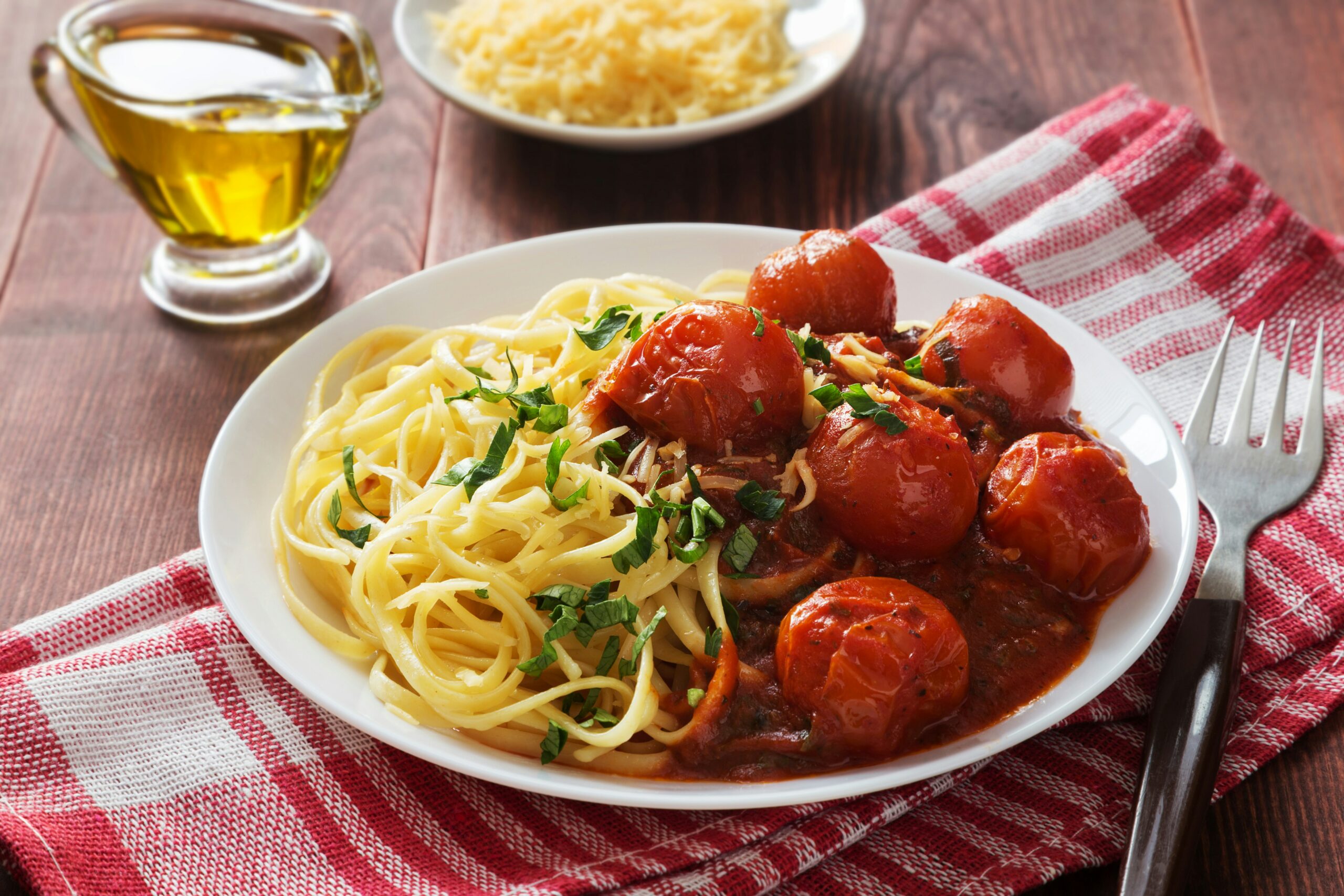
Cooking pasta seems simple: boil water, add noodles, drain, and serve. But if you want restaurant-quality pasta at home, there’s more to it than that.
By understanding the science behind cooking pasta, you can achieve the perfect texture, flavor, and sauce pairing every single time.
🔬 The Science of Pasta Cooking
Pasta is mostly made of starch and protein (gluten). When you boil pasta:
- Starch granules absorb water and swell, softening the pasta.
- Gluten proteins set to give pasta its structure and chew.
- Salted water seasons the pasta from the inside out.
The key is controlling these reactions so your pasta is al dente — tender but with a slight bite.
🥣 Step-by-Step: Cooking Pasta the Right Way
1. Use Enough Water
Rule of thumb: 4–6 quarts (4–6 liters) of water per pound of pasta. This prevents clumping and ensures even cooking.
2. Salt Like a Pro
Add 1–2 tablespoons of salt per gallon of water.
💡 The water should taste like the sea. This seasons pasta internally, not just on the surface.
3. Bring to a Full Boil
A rolling boil keeps pasta moving, preventing sticking.
4. Stir Immediately
The first 30 seconds are crucial. Starch released from the pasta makes it sticky until it sets.
5. Check for Doneness Early
Taste-test pasta 1–2 minutes before package instructions. Perfect al dente means a slightly firm center.
6. Save Your Pasta Water
That cloudy water is liquid gold — it contains starch that helps sauces cling.
7. Don’t Rinse (Usually)
Rinsing washes away starch, which helps sauce stick.
💡 Exception: Rinse pasta for cold salads to stop cooking and remove excess starch.
🍝 Matching Pasta Shapes to Sauces
- Long, thin noodles (spaghetti, linguine) → best for light tomato or oil-based sauces.
- Short, tubular pasta (penne, rigatoni) → holds chunky sauces well.
- Flat shapes (pappardelle, fettuccine) → ideal for creamy, rich sauces.
- Small pasta (orzo, ditalini) → perfect for soups.
🌡️ Avoiding Common Pasta Mistakes
- Using too little water → causes sticking and uneven cooking.
- Not salting enough → bland pasta, no matter how good the sauce.
- Overcooking → mushy, gluey texture.
- Draining completely → pasta dries out before sauce can cling.
🧠 Bonus Tip: Finish Pasta In the Sauce
For restaurant-level results:
- Cook pasta until just under al dente.
- Transfer it directly into the simmering sauce.
- Add a splash of pasta water.
- Toss until pasta is fully coated and finishes cooking in the sauce.
This technique infuses pasta with flavor and creates a silky, cohesive dish.
🧠 Final Thoughts
Perfect pasta isn’t about expensive ingredients or fancy equipment, it’s about understanding how heat, water, and timing work together. Once you master the basics, you’ll never settle for soggy or bland pasta again.

Leave a Reply